Blog

  • Technical Analysis in Trading – A Beginner’s Guide

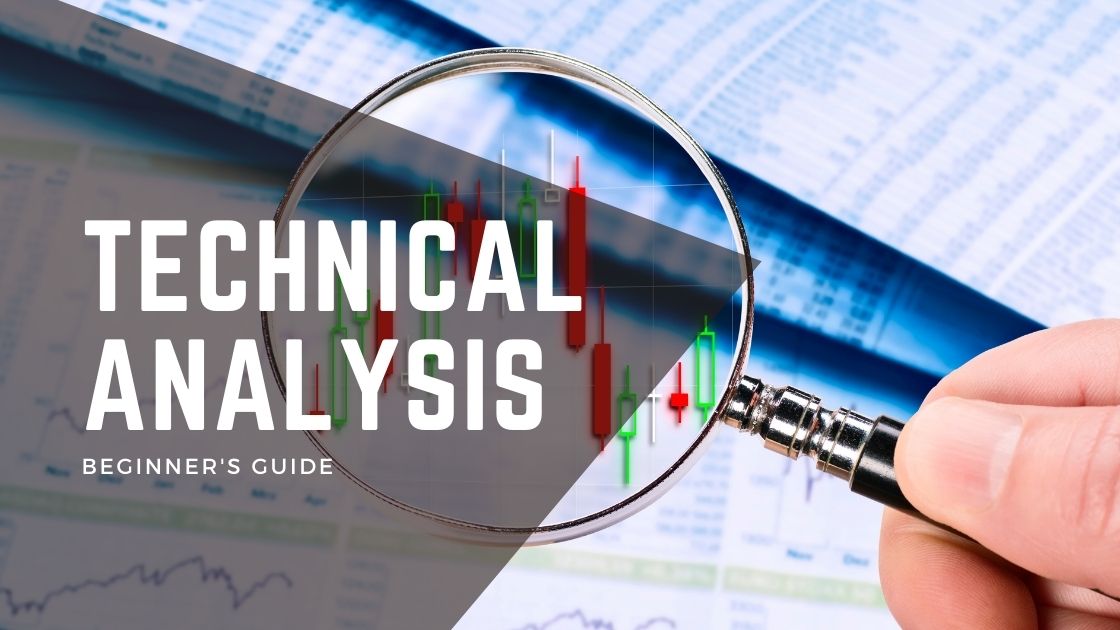
    Technical Analysis in Trading – A Beginner’s Guide

    This beginner’s guide to technical analysis in trading will help you to predict the probable prices of the instruments that you’re interested in. The information presented here will help to guide your decisions. However, you should always exercise caution with every trade.

    Many traders use fundamentals while trading. Despite that, the market price doesn’t always reflect these factors. Technical analysis uses historical data. In this way, it helps you to understand the market. You’ll trade more efficiently by using technical analysis.
    Trade confidently with technical analysis

    How does technical analysis help you?

    Technical analysis helps you to predict price movements. It does this by analyzing historical data. Typically, traders use different strategies with technical analysis. As such, the period that’s used for data collection varies.

    Previous prices are frequently used for this type of analysis. Generally, traders who prefer technical analysis think that past price action is a reliable indicator of future price action.

    Traders also look at changes in volume in order to predict price movements. For example, they pay attention when the market volume is low at a particular price. In that case, it’s unlikely that the price will quickly return to that level in the future.

    All traders can benefit from technical analysis. Usually, this type of analysis will work with different types of securities. If you trade cryptocurrency pairs, you can use it. Similarly, traders who like stocks can also use it. However, the same strategy won’t work well with every type of security.

    Which techniques does technical analysis use?

    Technical analysis uses statistical analysis. Technical analysis charts help traders to identify signals. Typically, these signals tell them when it might be a good idea to enter or exit trades.  Charts also help you to pick out price patterns.

    Technical analysis also uses behavioral economics. In other words, it looks at how psychology affects decisions. Generally, the choices that traders and financial institutions make cause prices to change.
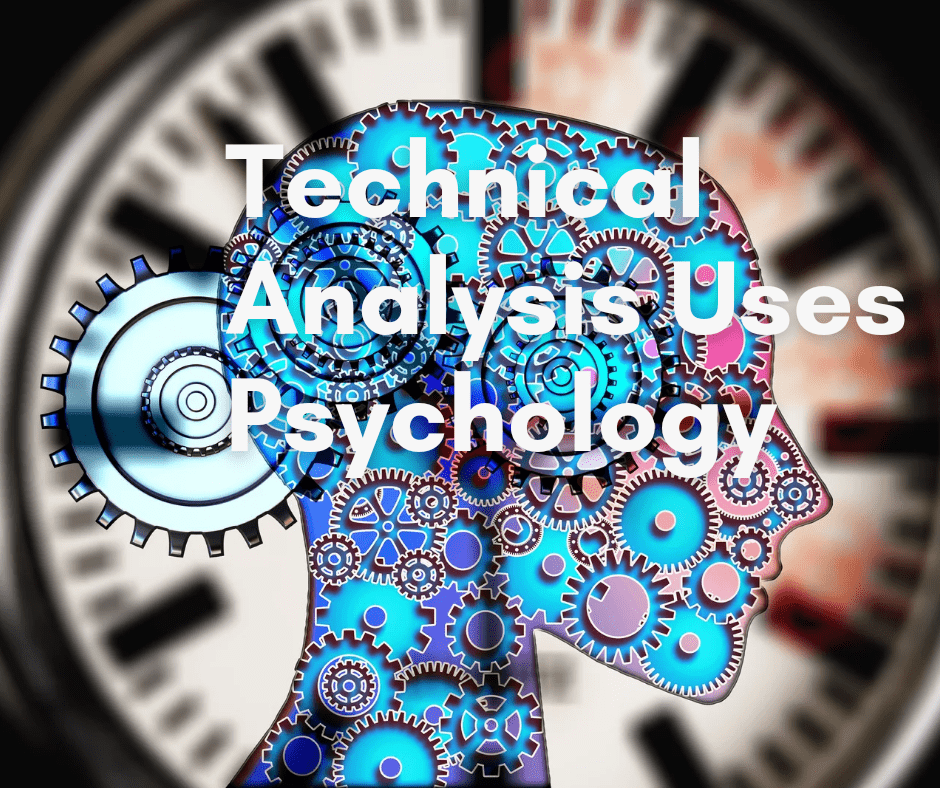
    Technical analysis uses psychology to try to predict behavior

    Technical analysis is based on the premise that the collective actions of traders reflect what’s really happening with a security. These actions are buying and selling. Usually, the price of the security is thought of as fair. This is because it’s based on the actions of buyers and sellers.

    Why does technical analysis work?

    Technical analysis helps you to understand why changes are happening in the market. It gives you a window into market psychology. In most cases, traders who understand psychology can quickly spot opportunities for profit.

    Technical analysis charts may seem confusing at first. The price patterns might be overwhelming. However, when you understand why the price patterns form you will become a better trader. Usually, you’ll be able to consider what might happen next.

    Technical analysis is not a crystal ball. There isn’t a guarantee that price will always move in the direction that it seems to be going. Using several technical indicators helps you to make your own choices with more confidence.

    Does technical analysis replace fundamental analysis?

    Traders use both fundamental and technical analysis. They complement each other. Generally, one can’t completely replace the other. Technical traders usually have a good understanding of fundamental analysis. As such, they apply its principles to every trade.


    Fundamental traders frequently conduct technical analysis of the financial markets. A fundamental trader will use fundamental analysis to decide whether they should enter a market. After that, they use technical analysis strategies to decide when they should enter the market.

    Fundamental analysis tells you what to buy. Usually, technical analysis is a better indicator of when to buy. Traders can use it to find price points that are ideal. After that, they can enter the market at any of these price points.

    Technical Traders Must Maintain Objectivity

    Above all, a trader who is using technical analysis must be objective. Likewise, they should always develop a plan and stick to it. You can’t allow second-guessing to distract you from your plan. Stick to your strategy.
    Develop a trading plan and stick to it

    In conclusion, if you’re objective, you won’t get caught up in the emotions of the market. Disciplined traders always stick to the trading approach that they’ve chosen.

    Choose your Broker Wisely

    Generally, a good broker can help you to be successful with using technical analysis. Select a broker with fees that meets your needs. Most of the time, high commissions can cut your profits. Typically, they also affect the strategies that you can use.

    In addition, brokers should offer platforms that match your strategies. All trading platforms don’t offer the same tools. However, the platform that your broker uses should provide technical indicators and tools that you are comfortable using.

    Utilize Free Trials

    You can utilize free trials. Some brokers offer 7 days free. Others give 14 days free. You’re free to cancel without charge before the trial is up.

    Furthermore, free trials let you test all the features that a broker provides. For example, they might have text alerts. Free trials let you see how well these work.

    In the same way, test their customer support. Always do that during the trial period. Test it at all hours of the day and night. By doing so, you’ll learn exactly what you can expect from customer care if you have problems with a trade.

    Which approaches to technical analysis do traders use?

    Two approaches are commonly used by technical traders. One is the top-down approach. The other is the bottom-up approach. 

    Your approach will often depend on how long you plan to stay in the market. Short-term traders often prefer a top-down approach. They look at the overall market and then focus on individual securities. In conclusion, they prefer short term gains.
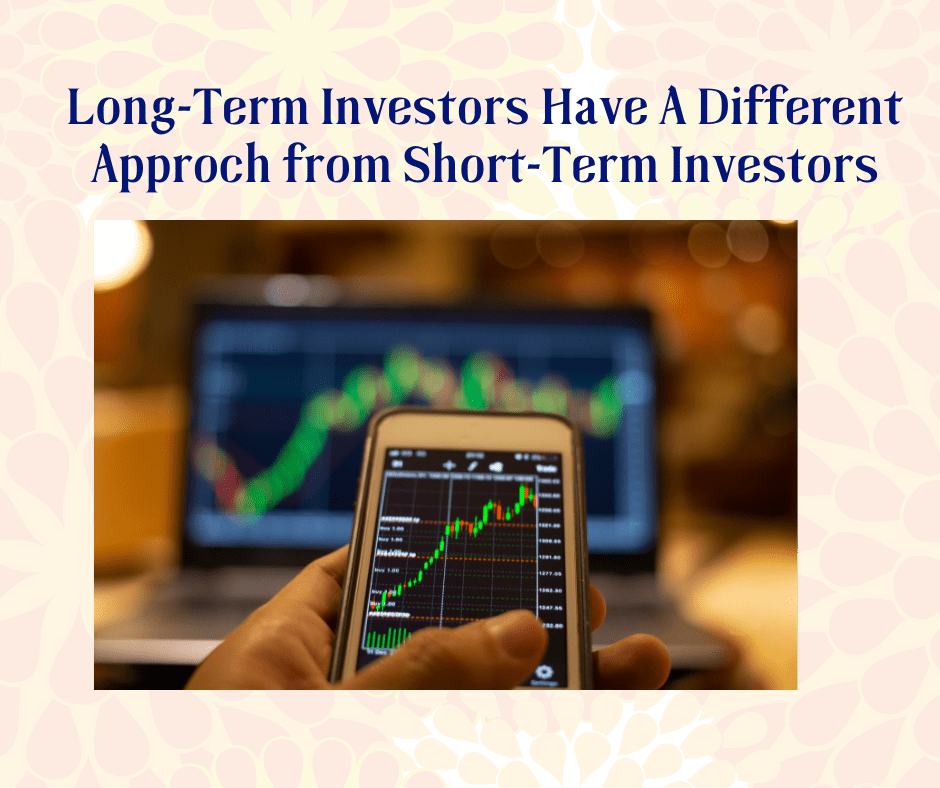
    Short-term traders have a different approach from long-term traders


    On the other hand, long-term investors often like a bottom-up approach. Usually, they focus on individual cryptos. In conclusion, they take a long-term view with regard to entry and exit points.

    Develop your Trading System

    Each trader should develop a trading system that they’re comfortable with.For example, some traders may choose to track moving averages. In this case, they’ll need to know what it means when one moving average crosses the other. Signs of an upward trend will tell them that it’s a good time to purchase an instrument.

    Always backtest your trading strategies. It’s important to know how they would have performed in the past. That way, you can make adjustments as needed.


    Several brokers offer demo accounts. These let you test your strategies in a virtual environment. You should always try to do before you invest real capital.

    Select your Securities

    Some strategies only work well with volatile stocks. If you intend to use these with a security that’s not liquid, you won’t get the results that you’re looking for. 

    Always Start Small

    You should always start small. Traders are sometimes so confident in their strategy that they mediately invest large sums of money. However, even if you’ve been testing your strategies in a demo account, you should always prepare for the unexpected.

    Starting small helps you to build confidence. When you switch from a demo account to a real account, you’ll change many elements, including the margin that you can trade with. Your emotions will also come into play. Start small and give yourself time to learn.

    How do technical traders use price charts?

    Price charts provide technical traders with historical data.  Traders use price charts to get an idea of future price movement. There are no guarantees when you’re using a price chart.
    Price charts vary in terms of their time frame.
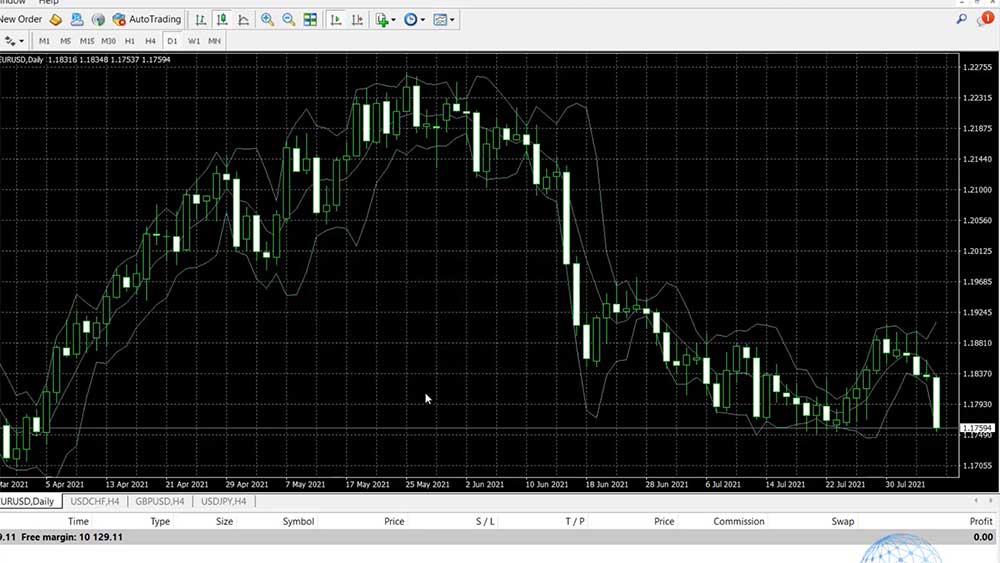
    Price charts vary in terns of their time frame

    This variable is important. Security might not seem to display any fluctuations in price over a long time frame. However, the same security might display rapid changes in price over a 10 minute period.

    You can set a time span that’s as short as one minute. Time spans of a year are ideal for long-term investors. Popular time spans include five minutes, four hours and 24 hours.

    Choose Time Frames that Complement your Trading Style

    Traders choose time frames that match their trading style. Intraday traders often look at time spans of five or 15 minutes. This is because they will open a trade and lose it on the same day. They open and close several trades during a single day.

    Some traders like to hold positions overnight. They may even do so for longer periods of time. They prefer to look at time spans of four hours or even a week. Traders use several technical indicators with each price chart. 

    Candlestick Charts

    Candlestick charts are popular among technical traders. These charts are used for stocks, currency pairs and several other securities. Many traders like to use them. Every single candlestick provides a wealth of information.

    A candlestick is formed for a specific time period. It reflects the price action during that time period. For example, it may reflect what happens with price over a 10 minute period. It depends on what type of chart you’re looking at.

    Suppose that you’re looking at an hourly chart. Each candle stick on that chart will reflect the price action for one hour. It’s an easy way of understanding price movement over an hour, four hours or even a week.
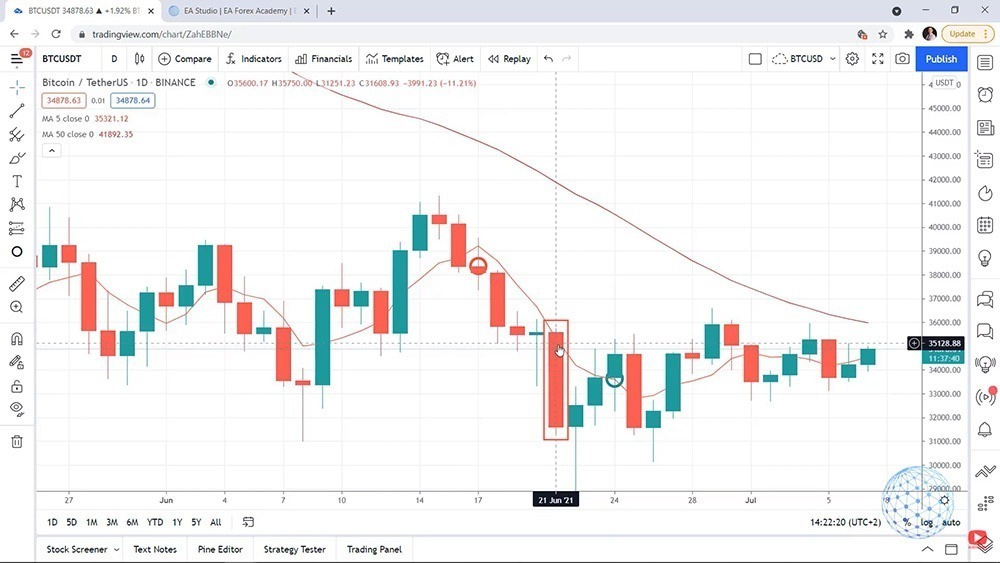
    Candlestick charts help you to understand price movement

    What does each candlestick tell you?

    A candlestick’s highest point shows the highest price that the security was traded for. It specifically applies to that time period. For example, if the time period on your chart is 10 minutes, the candlestick’s highest point gives you the highest price that the security was traded at during that 10-minute interval.

    The lowest point of a candlestick tells you the lowest price that the security was traded at. It applies to that specific period of time. If you want to know the lowest price for another period, you’ll have to look at another candlestick.

    Each candlestick has a body. This body tells you the opening and closing prices of the security. The body is thick. Candlesticks on each chart are usually displayed in one of two colors.

    For example, some of the candlesticks may be red. The others may be green. The color of the candlesticks is important. One color tells you that the closing price was higher than the opening price while the other tells you that the closing price was lower than the opening price.

    The colors save time. Just one glance tells you whether prices closed higher or lower. You can check that quickly at the end of any time period.

    Candlestick Formations and Patterns

    Technical traders take the time to learn about common candlestick formations. These patterns give them clues about what’s happening in the market. There are dozens of formations and patterns. Traders who learn all of these can use them well.

    Dojis are candlesticks with a flat line as their body. This is because the opening and closing prices are the same. Dojis are a sign of indecision in the market. They indicate that the trend might change.

    Moving Averages

    Moving Averages are popular among technical traders. In fact, they are one of the most popularly used technical indicators in the world. Several trading strategies using moving averages. A single moving average can be helpful. However, many traders use more. Price is usually compared to moving averages.

    For example, a trader may decide to buy security as long as the price remains above a particular moving average. If price drops below that moving average they will sell. Traders sometimes choose to use a crossover strategy.

    In this case, they may have a 10-period moving average and a 50-period moving average on the same chart. They’ll buy when the 10-period moving average crosses above the 50-period moving average.

    Pivot Point Indicators

    Pivot point indicators show traders where there are support and resistance levels. Traders need to identify these levels on the chart. The levels are useful because they tell them when it’s possible to enter or close trades.

    Fibonacci Levels

    Fibonacci ratios are used during sustained trends. They help traders to pinpoint opportunities. Technical indicators can load Fibonacci levels onto your chart automatically. Fibonacci retracements are one of the most popular Fibonacci indicators.
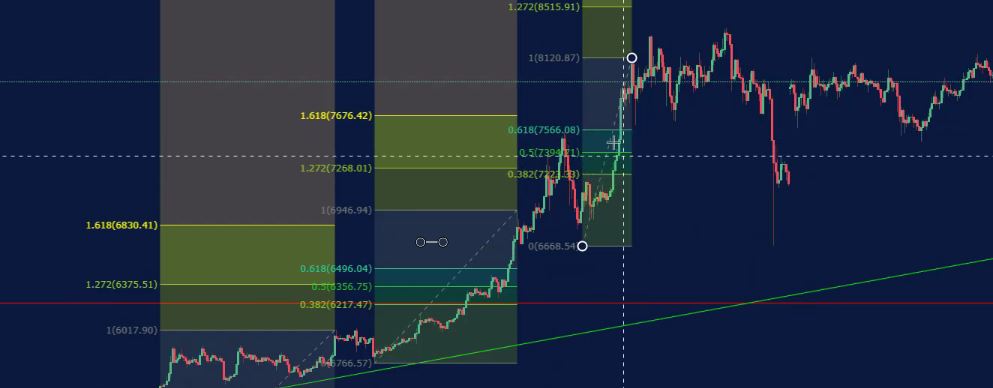
    Fibonacci retracements help you to identify entry points

    A sustained uptrend or downtrend will often be corrected. When this happens, it is retraced in the opposite direction. Fibonacci retracements help you to identify low-risk entry points during this type of retracement.

    Momentum Indicators

    Many technical indicators give you information on market direction. Momentum indicators give you information on market strength. They can give an early signal that a trend will soon end.

    There are several momentum indicators that are popular among traders. These include the Relative Strength Index (RSI) and Stochastic Oscillator.

    Typically, traders used several momentum strength indicators to guide their decisions. For example, during a sustained uptrend you may be wondering when would be the best time to sell. Usually, if two momentum indicators show that the trend is slowly losing strength, it may be time to take profits.
  • What is Robot Trading and How To Start in 2022

    What is Robot Trading and How To Start in 2022

    Robot trading is often used by traders who want to save time. Robot trading can be thought of as automated trading. This post will explain how it’s done.

    What is robot trading?

    Robot trading involves writing a set of commands that will be executed when specific conditions in a market are met.  This will take place automatically. Since the trader doesn’t have to be involved in this process, they can pay attention to other things.

    For example, a trader can set their buying price in advance. They can also set their selling price ahead of time. When the security meets the price that they’ve set, the trading software will execute the command. That is, the software will automatically buy or sell the security for you.

    What is robot trading

    What are the benefits of robot trading?

    Most traders who use robot trading do so because it saves time. This is especially important when trading currency pairs. The Forex market is open 24/5. As such, even the best trader would miss opportunities while they sleep.

    Robot trading helps you to always maximize opportunities in the market. Once your conditions are met, trades will be executed. This happens even while you’re sleeping.

    Do trading robots have any shortcomings?

    Trading robots are tools. They help traders to be more effective. However, they can only do that if they’re used correctly.

    Trading robots don’t work well under certain conditions. For example, you won’t get good results in markets that are not trending. As such, some traders don’t use robots in that setting.

    Robots pull data from different sources. Sometimes these sources aren’t diverse. When that happens, a bias can exist. Data mining biases can lead to errors.

    How complex can robot trading get?

    Robot trading can get quite complex. You can go beyond simple conditions such as setting the price. For example, traders who use moving averages can use these to set their buy and sell conditions. Traders also use other technical indicators to guide their automated trading.

    Sometimes new traders think that trading robots will solve all of their problems. This is far from the truth. You have to really understand trading in order to use a robot well.

    After you do that, your robot can help you to scan markets. You can set multiple conditions for entering a market. You can do the same with exits.

    Experienced Forex traders sometimes focus on a single currency pair. This is because it can be difficult to manage four or five at once. However, with trading robots, you can easily monitor several pairs.

    Can you develop your own robot?

    You can develop your own robot to match your unique trading strategy. Several traders write complicated algorithms to execute their trades. This way, automated trades are always done in a way that matches their own trading style.

    Experienced traders develop robots. It’s hard for a novice to do that. You need programming knowledge. You also need trading experience

    Experienced traders don’t all like programming. Sometimes they don’t have time to create software. Traders may also prefer being in the market.

    Programming is a fulfilling challenge. However, some traders prefer market challenges. They get help with creating robots. In this way, teamwork makes their dream work.

    You can write software for robot trading
    You can write your own robot trading algorithm

    Lots of trading bots are available. If you’re interested in robot trading but don’t know where to start you’re probably better off with one that already comes with its own algorithm

    If you want to write your own scripts, there are bots that will help you. You don’t have to write a script from scratch. However, you can ensure that the script does exactly what you need for every trade.

    Are bots free or paid?

    Some bots are free. If you’re just starting off with robot trading it may be a good idea to try one of these. You can get used to how robot trading works. You don’t have to make an investment at first.

    forex robot banner
    Some trading robots for Forex and cryptocurrency are free

    Paid bots are not excessively expensive. Quite a few cost between $10 and $100. However, you don’t need to spend a lot of money to benefit from a bot. Many free bots offer the same features as a paid bot. This is especially true if they’re designed to work with a platform that traders like.

    For example, Expert Advisors are bots. Some are designed to work with MetaTrader 4 and MetaTrader 5. Some Expert Advisors work with other trading platforms. However, many only work with the Forex trading platforms mentioned earlier.

    Expert Advisors can tell you when to make trades. In this way they’re just like other trading robots. They can also buy and sell for you. This means that Expert Advisors can help you to trade while you sleep.

    Always get Expert Advisors from a trusted source. Likewise, you should use a trusted source for other robots. Some trading robots are just scams. Similarly, some bots don’t perform well.

    Can you create your own Expert Advisors?

    You can create your own Expert Advisors. These Expert Advisors will complete trades based on parameters that you set. You can also use an Expert Advisor that already exists. This will help you to save time.

    Expert Advisors and other trading robots can compare a lot of options quickly. The human brain can process a lot of information quickly but it’s also responsible for other tasks. Expert Advisors focus on trading. Expert advisors don’t have to focus on any of the other responsibilities that are typically handled by a human brain.

    A trading robot can make a decision quickly. After it does that, it can also act on that decision immediately. When you’re trading Forex, these two skills are critical. You must be able to weigh your options quickly and make a decision.

    Forex Robot Free Download
    Trading robots help you to find opportunities quickly

    The speed at which expert advisors operate is a significant benefit. This is one reason why traders use them. Algorithmic trading speeds up the pace at which they find opportunities.

    Can robot trading be used with cryptocurrencies such as Bitcoin?

    As mentioned earlier in this article, robot trading involves writing an algorithm. Typically, your trading decisions will be executed automatically. This means that you could write an algorithm for almost any type of trade.

    In this respect, a cryptocurrency trade is thought of as another type of trade. An algorithm for crypto trading can be written which allows you to copy someone else’s trades. This is an important aspect of social trading.

    Robot trading with cryptocurrency also helps you to save time on backtesting. This type of automated trading helps to manage all of your accounts more efficiently.

    You can use robot trading with any type of cryptocurrency. This is why several traders use robot trading to buy and sell cryptocurrencies such as ETH. You can also trade Litecoin and other cryptocurrencies. However, one of the most popular options for robot trading is BTC.

    Robots and Backtesting

    Backtesting is important for all traders. Traders use backtesting to learn whether their strategies really work. If a strategy is back tested and it doesn’t work, it can be adjusted. In some cases another strategy might have to be used.

    Many traders spend a lot of time refining their strategies. However, robots make this process easier. You can adjust and develop several strategies.

    Several robots let you test out your strategies. Traders can do this by using simulations and historical data. This feature isn’t present in all robots. In addition, some robots are better at backtesting than others.

    Backtest your Robot

    Bots help with backtesting. However, traders should always check their bots. Always backtest your bots.

    Ensure that your bot works. Paid bots often have a free trial. Backtest during that period.

    Forward testing is also a good idea. You need to forward test your strategy. Make sure the robot works with it. Sometimes a robot might not do well with your strategy.

    Do forward testing with several criteria. For example, change the order size. Some robots work well with small orders. However, their behavior changes with larger orders.

    Do forward testing with demo accounts. If that’s not possible, use real accounts. Use small sums of money in that case.

    Test with what you buy. In other words, test with your favorite currency pairs. Don’t test with pairs or cryptocurrency that you don’t normally trade.

    Can robot trading work on any exchange?

    Traders use a wide array of exchanges. Robot trading software can work with any of them. For example, you can connect Binance, Binance. US and Coinbase to some software options.

    Robot Trading Uses Technical Analysis

    Robot trading utilizes technical analysis. The parameters that you set are based on technical indicators. For example, you may set your bot to buy cryptocurrency in line with a particular trend.

    When you’re trading stocks, you might use moving averages. In that case, you can set up your bot so it does that for you. If you would normally buy when a particular moving average crosses another, you can program the bot with that condition. This means that when one moving average crosses the other and meets the condition that you specified, the bot would automatically buy stocks for you.

    Can robot trading software help with portfolio management?

    Every type of robot trading software is different. As mentioned previously, you can even write your own robot trading software. Some types of software have been developed to assist with portfolio management.

    This means that you can trade and manage your accounts with the same software. Bots trade automatically. Robots use the trading guidelines that you set. In this way, they help you to stick to your portfolio management goals.

    Robot trading helps you to manage your portfolio better than you would if you were doing it on your own. This is because the software takes action for you. You don’t have to do everything on your own.

    These actions are based on the choices that you’ve made. You’ll set up everything ahead of time. Bots trade when you are busy.

    Robots work when you are on vacation. Bots trade when you are occupied. In other words, the robot trading software helps to keep your actions consistent. 

    Robot Trading Helps You To Avoid Errors

    When you’re setting up the software, you input parameters based on your priorities. The software has to stick to these parameters for cryptocurrency and Forex trading all the time. It’s not the same with you.

    Robots stick to your parameters for trading cryptocurrency

    Many traders find that they, at least occasionally, suffer unnecessary losses due to their emotions. They may not exit a trade at the point that they planned for. Then it goes badly and they lose money.

    Robot trading helps you to avoid some errors in trading. Remove your emotions. Let bots make the decisions. In the moment, when adrenaline is pumping, you can watch from the sidelines. This makes it less likely that adrenaline will influence your decisions.

    Does robot trading work under all conditions?

    All trading is risky. Approach it with caution. Whether you’re trading cryptocurrency or Forex, options or other securities you should exercise due diligence. The same is true for robot trading.

    As mentioned earlier in this article, Expert Advisors and other automated methods of trading are designed to work in regular market conditions. If something drastic happens in the market, your Expert Advisor won’t work in the same way as it usually would. This is one of the reasons why you should always be cautious when using robot trading.

    For example, the news could change the way that traders behave. Even an internal change in a large institution could affect the market. You would usually have to adjust your strategies under these conditions. Each trader always has to look out for things that could affect their trades.

    Benefits for Professional Forex Traders

    Professional Forex traders constantly deal with stress. They have to make a lot of decisions every day in order to profit. Expert Advisors can alleviate some of that stress.

    An algorithmic trading system can do repetitive tasks. Forex traders can use the software for those tests. They don’t have to spend time every day doing that. Traders can do the more exciting tasks and leave the rest for the robots.

  • What is Social Trading? Advantages and Disadvantages (+ Social Trading Platforms REVIEWS)

    What is Social Trading? Advantages and Disadvantages (+ Social Trading Platforms REVIEWS)

    If you are new to trading, you may want to learn more about other markets as soon as possible. One of the quickest methods to accomplish this is through social trading on a dedicated social trading platform using various social trading tools.

    A popular method for investors to participate in the financial markets in recent years has been social trading. Part of this is due to the ability to leverage the collective expertise of a group of people eager to share their trading experiences and decisions. We will try to explain what social trading is about, how it evolved, the essential components, the benefits and drawbacks, and what investors should consider.

    What is social trading? Definition and Meaning.

    Social trading is a revolutionary approach that is changing the way investors interact with the market. This creative method involves traders working together to make investment decisions by combining their collective knowledge. The exchange of trading ideas, strategies, and tidbits of information among a group of investors is the fundamental component of social trading. Contrary to conventional techniques, which depend exclusively on individual examination, social trading relies on the force of aggregate knowledge to advance trading results.

    Progress in technology and evolving business sector components have distinguished the development of social trading platforms. From simple forums to complex networks, these platforms act as centers for traders to connect, share data, and execute trades consistently. Social trading platforms include various features and functionalities custom-fitted to the requirements of traders. Easy-to-use interfaces, real-time information, and intuitive devices are among the key parts that enable traders to make informed choices and maximize their profits.

    Want to enhance your social trading experience? Join our community forum to share ideas and strategies with fellow traders!

    Advantages of Social Trading

    Social trading offers a number of advantages for those who choose to be part of it. If we should list some of the main ones, that would include access to market insights, learning opportunities, community engagement, accessibility and convenience, and the potential for passive income. Now let’s look at each of those more in depth.

    1. Access to Market Insights

    Through social trading platforms, you can connect and interact with a community of experienced traders and receive access to valuable information and analysis. This real-time information sharing allows you to stay updated on market trends, news, and events that may impact your trades. It is also worth mentioning the concepts of crowd wisdom and collective intelligence. By following successful traders or participating in conversations with other traders within the network, you can take advantage of the collective knowledge and expertise of a diverse group. This cooperative methodology improves decision-making processes by thinking about alternate points of view and strategies.

    Part of the same group advantages of social trading is also access to a diverse range of trading strategies. You have the chance to explore different approaches performed by successful traders all over the planet. This openness to various methods empowers people to broaden their own trading strategies instead of depending entirely on their limited experience or knowledge.

    2. Learning Opportunities

    When it comes to knowledge, one of the most valuable advantages of social trading lies in the multiple learning opportunities that are offered to the traders. Here we can mention a few aspects from which traders can benefit.

    Educational Resources and Mentorship: Social trading platforms offer plenty of educational resources, from articles and tutorials to webinars and online courses. You can also benefit from different mentorship programs. Within those programs, you can receive guidance and insights from experienced investors. This helps you develop your skills and also provides precious guidance for all traders.

    Observational Learning from Experienced Traders: Within the social trading network, you can observe how experienced traders perform trading activities. As a novice trader, you have a great opportunity to receive valuable insights into effective trading strategies and market dynamics. This observational learning approach allows traders to learn from real-life examples and apply what they have learned to their own trading practices.

    Hands-On Experience without Risking Capital: You can use demo accounts to practice different strategies and develop your skills without risking real capital. Social trading platforms often offer this kind of simulated trading accounts or demo accounts. This so-called hands-on experience allows traders to try different trading techniques and gain deeper knowledge of market dynamics. They also build confidence in their trading abilities without incurring financial risk.

    3. Community Engagement

    Part of community engagement is the opportunity of networking with like-minded individuals. When you join a social trading network, you can connect with other traders who share similar interests and trading goals. This sense of community encourages collaboration, idea sharing, and mutual support. Traders feel they are part of supportive environment which allows them to thrive.

    Like other social networks, there are feeds, forums, and chat rooms in the social trading platforms. You can participate in discussions, share trading strategies, and exchange market insights with other members of the community. This collaborative approach lets traders to benefit from the collective knowledge and expertise of the group.

    Social trading platforms not only provide valuable trading resources, but here traders also can receive emotional support and motivation. You can deal better with the emotional highs and lows of trading when feeling the mutual support and solidarity within the community. During periods of market volatility or uncertainty this emotional support can be invaluable for traders.

    4. Accessibility and Convenience

    The user-friendly interfaces of the social trading platforms are designed to serve traders of all levels. Navigation within the platform is easy no matter if you are experienced trader or beginner. Everyone can access relevant information and execute trades without facing any difficulties. Customizable dashboards, real-time data feeds, and mobile compatibility are some of the intuitive features which improve the user experience.

    Traders have different needs and preferences and social trading platforms offer flexible trading options that respond to them. Whether you are interested in stocks, forex, commodities, or cryptocurrencies, you can find a wide range of trading instruments. Also various asset classes are available to choose from. Traders can tailor their trading strategies and risk management techniques to their unique trading styles and objectives.

    Reduced entry levels for new traders is another aspect of the advantages of social trading. If you are using traditional trading methods, you need significant capital investment and also quite an expertise. On the contrary, social trading platforms offer accessible way for anyone to enter the financial markets usually at a low cost. You don’t need to have prior trading experience and with only a minimal capital required, you can already participate in the financial markets. This is how social trading democratizes access to investing, allowing more people to be part of it.

    5. Potential for Passive Income

    One of the most popular social trader tools is copy trading where you can automatically replicate the trades of other traders. There is potential to generate passive income without the need for active trading. And this is possible by following successful traders and copying their strategies. There is also another option for passive income generation, which is via automated trading systems. Users can execute trades based on pre-defined parameters and algorithms.

    More advanced traders can generate income by sharing their expertise with others. If you build a reputation as a successful trader and attract followers, you can earn additional income through performance fees, subscription fees, or profit-sharing arrangements. There is a win-win situation, which creates a mutually beneficial environment for both sides – traders and followers.

    For those who prefer diversity in investments, social trading is a great choice. Traders have access to a wide range of trading strategies and asset classes. When you are allocating funds across different trading strategies of the multiple traders you follow, you can spread the risk and increase your chances of reaching better risk-adjusted returns. This diversification is useful when you want to soften the impact of market inconsistency and bring down the dependency between different assets. Your investment portfolio will then have better overall stability and resilience.

    Disadvantages of Social Trading

    Together with the number of advantages that social trading offers to investors via different social trading tools, we cannot overlook the disadvantages of this phenomenon. As in every process, on the other side of the pros are the cons, which you should consider and examine if you want to be on top of things. To name a few downsides, we should include risk of blindly following others, an overwhelming amount of information, potential for fraud and manipulation, loss of privacy and data security, emotional and psychological factors, regulatory challenges and legal risks, among others. Now, let’s have a closer look at those, so you understand what you have to deal with.

    1. Risk of Blindly Following Others

    One of the major downsides of social trading is associated with the risk of blindly following others. Most of the time, this is dictated by a lack of due diligence and research. Those are critical aspects when you need to make informed investment decisions, and if you skip them, you may neglect your own analysis and find yourself in a situation where you rely too heavily on social trading tools and the decisions of others. This dependency can be dangerous as it removes personal accountability and critical thinking from the trading process.

    Another drawback is the dependency on other traders’ decisions. Social trading platforms often highlight successful traders, but past performance does not guarantee future results. Blindly copying trades without understanding the underlying strategies or market conditions can lead to substantial losses. It is essential for traders to use social trader tools to complement their research rather than replace it.

    Furthermore, there is always a risk of exposure to market fluctuations. When you rely on the trades of others, you cannot really reduce the natural risk that comes from the unpredictability of financial markets. During periods of high market turbulence, following the crowd can increase losses. Traders must understand that social trading does not eliminate risk and should always be prepared for market fluctuations.

    2. Overwhelming Amount of Information

    A significant disadvantage of social trading is the overwhelming amount of information available. This flooding often includes noise and misinformation. You need to separate valuable insights from incorrect data. And this can be challenging with the huge variety of social trading platforms. Traders are vulnerable to poor decision-making and potential financial losses caused by inaccurate information.

    Another issue is the difficulty in identifying which sources are reliable. There are countless traders sharing their strategies and opinions. Determining the credible sources among them becomes tricky. Using social trader tools, you will have access to a wide range of data; however, only some of it will be trustworthy. Not all traders possess skills like critical evaluation and discernment, which are necessary to tackle this challenge.

    Information overload is one of the reasons that leads to analysis paralysis. Making timely and, at the same time, accurate decisions becomes very hard when you are overwhelmed with data. You may feel hesitant and miss good opportunities, paralyzed by the massive amount of information. Even with advanced social trading tools, the abundance of conflicting advice can create confusion and indecision.

    3. Potential for Fraud and Manipulation

    Social trading presents a rich ground for fraudulent activities and manipulation. One widespread issue is the presence of fake profiles and pump-and-dump schemes. Scammers create deceptive profiles to artificially inflate the value of a stock, only to sell it off once others have invested. Misleading performance metrics are another concern. Some traders would inflate their success rates, making their strategies appear more profitable than they are. The vulnerability to scams and Ponzi schemes further compounds these risks.

    4. Loss of Privacy and Data Security

    Social trading involves sharing personal trading data with a large audience. This transparency can be double-edged. While it fosters learning and collaboration, it also exposes sensitive information. Traders’ strategies, financial activities, and performance metrics become visible, raising significant privacy concerns. Privacy issues extend further when interacting with social networks. Social trading platforms often integrate social networking features, increasing the risk of data misuse. Your personal details shared on these networks can be exploited. Cybersecurity risks and hacking threats add another layer of danger. Social trading tools and platforms can become targets for cyberattacks. Even sophisticated security measures might not fully protect against these threats.

    5. Emotional and Psychological Factors

    Social trading can trigger significant emotional and psychological challenges. Fear of missing out (FOMO) is one those challenges. Observing others’ apparent successes on social trading platforms can create a sense of urgency, which is leading traders to make impulsive decisions without proper analysis. Market fluctuations also contribute to stress and anxiety. The volatility of markets means that investments can quickly lose value, causing constant worry. Social trader tools that display real-time changes increase this stress and it makes it difficult to remain calm and rational. The emotional rollercoaster of trading success and failure is another drawback. While winning trades bring euphoria, losses can be devastating. This cycle can lead to burnout and poor mental health. Traders using social trading tools are often exposed to the highs and lows of their peers, intensifying these emotional swings.

    Social trading, while beneficial, carries significant regulatory issues and legal risks. One major concern is the lack of oversight and regulation in many social trading platforms. Additionally, compliance issues with financial authorities can arise. Traders must be careful about local and international compliance requirements to avoid legal repercussions. Furthermore, the legal implications of copying trades without proper authorization can be severe. Unauthorized copying of trades can lead to intellectual property disputes and other legal conflicts. So traders must familiarize themselves enough well with the legal part before engaging in social trading.

    Some of the most popular social trading platforms for forex trading include:

    1. eToro: Known for its user-friendly interface and extensive range of copy trading features. It allows users to mimic the trades of successful traders and provides a social feed for discussing trading strategies.
    2. ZuluTrade: Offers a robust platform where traders can follow and copy the trades of top performers. It supports multiple brokers and provides various performance metrics to help users choose the best traders to follow. Check out our REVIEW .
    3. NAGA: Combines social trading with a social network feel, allowing users to share their trading activities and insights. It offers a wide range of assets, including forex, stocks, and cryptocurrencies.
    4. Ayondo: Focuses on social trading for forex and CFDs. It allows users to follow top traders and automatically replicate their trades. It also offers risk management tools to protect investments.
    5. Darwinex: Unique in its approach, Darwinex converts traders’ strategies into investable assets called “DARWINs,” which can be followed and invested in. It provides detailed performance analytics and risk metrics. Check out our REVIEW.
    6. MetaTrader 4 (MT4) and MetaTrader 5 (MT5) with Signal Services: While not social trading platforms per se, MT4 and MT5 offer signal services where users can subscribe to trading signals from experienced traders and automate the copying of these trades.
    7. Pepperstone: Known for its competitive spreads and excellent customer service, Pepperstone offers social trading through partnerships with platforms like Myfxbook and MetaTrader’s signal services. It provides access to copy trading features where users can follow and replicate trades from top traders. Check out our REVIEW.
    8. Dukascopy: Offers a social trading platform called Dukascopy Community, where traders can share strategies and follow others. It includes advanced analytics and performance metrics to help users make informed decisions about who to follow. Check out our REVIEW.

    Conclusion

    To sum up, social trading offers a unique blend of benefits and challenges. On the positive side are the accessibility to experienced traders’ strategies, the educational value through observational learning, and the reduced entry barriers for beginners. However, it also comes with noticeable disadvantages, such as the potential for emotional stress, privacy concerns, and regulatory risks. The key to utilizing social trading tools effectively lies in maintaining a balanced approach. Investors should perform due diligence, remain aware of the emotional impacts, and understand the legal landscape surrounding social trading platforms.

    Advancements in social trader tools and increased regulatory inspections, which are likely to improve its reliability and safety, however, are making the future of social trading look promising. As technology evolves, trading community can expect more sophisticated features and better security measures. Still, investors must stay informed and cautious, and adapt to new trends and regulations continuously. This balanced and informed approach will empower them to capitalize on the full potential of social trading while reducing its inevitable risks.

    Instead of blindly following others, join our free 21-day algo program and get access to some of our best-selling online trading courses and free robots. The program will equip you with the skills to analyze markets and craft your own strategies using our advanced trading software and tools to create Expert Advisors. Start your journey to becoming a savvy, independent trader today!

  • Top 3 Forex Brokers for US Traders

    Top 3 Forex Brokers for US Traders

    The top three Forex brokers for US traders are reliable. They all submit regular reports on their finances. These brokers meet capital requirements that offer their clients a measure of financial protection. 

    We will discuss three US Forex brokers in this post and while we do business with them, you should make your own choices about the broker that is best for you. They are all authorized to do business throughout the United States. The leading authorities in the country regulate and license these companies. Traders can be confident that they’re following all of the laws that specifically apply to this market. 

    This post will provide you with information on several Forex brokers that you can trust. They follow safe and reliable market practices. Companies like these make it easy for US clients to open an account with fair leverage options.

    best forex brokers

    What should you look for in a Forex broker?

    When you’re looking for a Forex broker, there are four important criteria to consider carefully before you invest your money. You’ll need a broker that is:

    1. Regulated by the proper authorities in the US
    2. Has relatively low fees on each transaction
    3. Lets you fund your account in a convenient way  
    4. Uses a world-class trading platform that you can use on the type of device you prefer

    From our experience here at EA Trading Academy, we know that the brokers in this post meet those requirements. It’s also easy for you to get in touch with these three brokers at any time, via phone, email or online chat. You can get answers to your questions about making withdrawals or deposits or using any other aspect of their platform.

    These brokers all maintain net capital of at least $20 million. This is the minimum capital requirement in the United States. Forex brokers in other regions such as the UK also have a minimum capital requirement.

    The minimum capital requirement for brokers is not the same right around the world. Brokers in the united Kingdom must have at least EUR 730,000 to show that they are financially stable. 

    Are all of the best Forex brokers for US traders regulated?

    The top Forex brokers for US traders are all regulated in the United States. The main regulatory bodies are the National Futures Association (NFA) and the Commodity Futures Trading Commission (CFTC). 

    These bodies issue directives that help to prevent fraud, stop scams and preserve market integrity. The leverage used for retail trades is limited because of these rules.  The leverage that’s available is 1:50 for major currency pairs and 1:20 for all other currency pairs.

    Reputable brokers like these have their trading audited by third parties. In this way, they make sure that you always get fair rates on your trades. CFTC and NFA Forex brokers must use real numbers. The data in their advertising must be true.

    Choose Forex brokers that follow regulations

    They also submit regular financial statements and reports. You can easily view each broker’s financials before you open a trading account with them. Just check the NFA. The website has all the details for regulated brokers.

    There are still some international brokers that accept traders from the United States. You must always be careful with international brokers. All of them aren’t regulated by the authorities in the United States. The United States has 19.5% of global OTC Forex turnover. However, only a few brokers are authorized to offer services to US traders.

    Which US Forex brokers do we use?

    We use these three brokers that are popular among our US students. They are legally allowed to offer their services to US traders. These three are:

    1. Forex.com
    2. IG
    3. Trading.com

    These brokers all use either MetaTrader 4 (MT4) or MetaTrader 5 (MT5) as their trading platform, giving you access to third-party APIs, multiple technical analysis indicators and automated strategies. This software is world-class and with it, you can trade from any web browser. You won’t need browser extensions or any additional software to use MT4 or MT5.

    These Forex brokers also make it very easy to open and fund your account. Several funding options are offered and while some of these attract a fee, that’s negligible. Funds will be credited to your account within hours in most cases.

    Although we trust these Forex brokers for US traders, you should always do your due diligence on these and any other brokers that you’re considering. Use a relatively small sum of money to test how easy it is to deposit and withdraw funds from your Forex account before you make a large investment. You should also check out each broker in the NFA’s Background Affiliation Status Information Center (BASIC) by using their NFA ID.

    If you can’t find a broker that you’re interested in on the BASIC system by using their firm’s name, an individual name or another identifier, you should avoid doing business with them.

    Even an introducing broker should be registered on BASIC if they’re legitimate. If they’re not there, that’s a bad sign.

    When a broker is unregulated, they’re completely unaccountable for how they handle your money. They don’t have to stick to any rules and are free to do whatever suits them. You could invest with them today and they could disappear with your funds tomorrow.

    Forex.com

    Forex.com is amont the top Forex brokers for US traders

    Forex.com is the largest broker in the United States. It’s registered with both the NFA and the CFTC and its parent company is traded on the New York Stock Exchange (NYSE). It’s been in business for many years and has established itself as a leader in the market. In addition, its parent company is GAIN Capital Holdings. That further increases its credibility.

    Its sister companies are regulated in other major markets such as Japan, the UK and Canada, so it consistently meets the standards of operation that are set in these regions. If you’re opening an account with your debit or credit card, you’ll only need to deposit $100 and you could start trading within a few hours.

    IG US

    IG Markets is one of the Forex brokers for US traders

    Like Gain Capital Holdings, IG does business in the busiest and most highly regulated trading zones around the world. IG offers traders in the US low spreads, which make it easy to enter your ideal positions in both rising and falling markets.

    IG has more than 40 years of experience in the financial markets and it operates the North American Derivatives Exchange (NADEX). The CFTC regulates NADEX and while both are focused on similar areas they’re managed separately. IG offers low spreads to traders who are using the MT4 platform and they also have attractive offers for high-volume traders.

    Trading.com

    Trading.com logo

    Of the three Forex brokers for US traders featured here, Trading.com has the lowest capital requirement. Their spreads are low and they don’t charge commissions. Your orders are completed in seconds.

    As an American Forex trader, you will have access to more than 50 markets with Trading.com. This includes currency pairs such as GBP/USD and USD/JPY. With this broker you can place orders online or over the phone.

    This company is the US branch of the XM group. Trading.com also has some of the lowest costs associated with trading Forex in the United States. The spread for popular currency pairs starts at 0.7 pips on the EUR/USD.

    Which trading platforms are used by US traders?

    MetaTrader 4 (MT4) and MetaTrader 5 (MT5) are the best trading platforms for US traders. You can use MT4 and MT5 in your web browser. These platforms are also available as desktop downloads and mobile apps, so you can trade on the go. They’re compatible with the following operating systems:

    1. MS Windows
    2. Mac
    3. Linux

    MT5 has built-in accounting systems that make it easy for you to monitor your positions. The platform offers data protection and encryption for your peace of mind. This protects it during transmission.

    Forex.com and IG offer MT4 while Trading.com uses MT5.  This means that if you use any of these Forex brokers for US traders, you’ll benefit from Advanced charting and a user-friendly interface. American Forex traders get additional perks from IG.

    For example, IG offers ProRealTime charting software. MT4 and this software work well together.

    MT4 and MT5 are reliable trading platforms. A broker cannot easily manipulate these platforms.

    However, strictly web-based trading platforms which are offered by some unregulated Forex brokers can be manipulated. These brokers can adjust their platforms so that you profit in the beginning but then sustain huge losses when you’re ready to make a withdrawal.

    Is hedging offered by US Forex brokers?

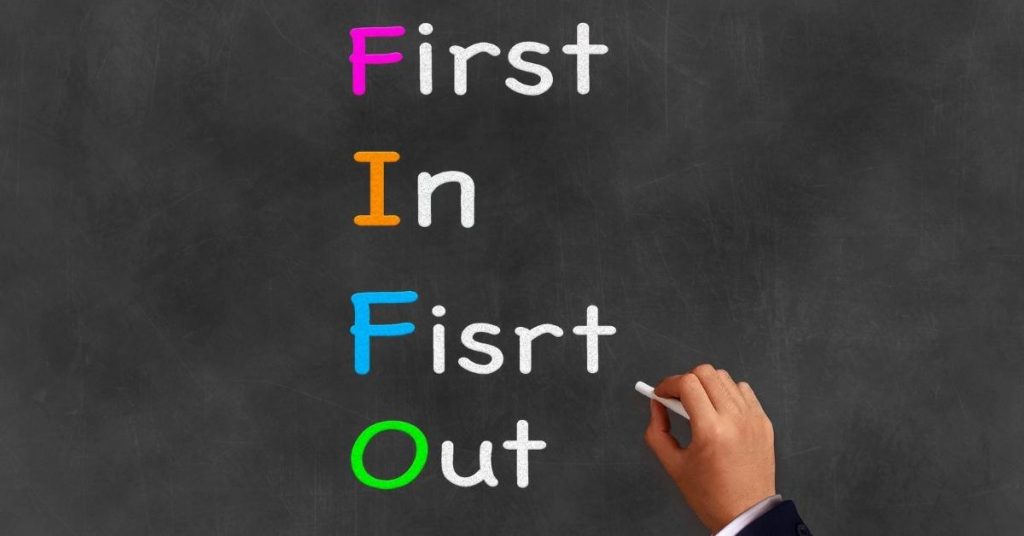
    Forex brokers for US traders do not offer hedging. The NFA does not allow hedging. This is why US traders can’t benefit from it. All brokers that provide services to American citizens must abide by the NFA’s first in first out rule (FIFO).

    The FIFO rule says that you must close the earliest trades first in situations where several open trades in-play involve the same currency pairs and are of the same position size. This means that you can’t simultaneously have two opposing positions open on the same currency pair. Some American Forex traders get around this rule by opening two accounts with the same broker, so that they can go long and short on the same currency pair. This allows them to enjoy the benefits of hedging while staying within the boundaries that the NFA has set.

    FIFO rule 
    FIFO stands for First In First Out

    What is considered a safe leverage ratio for US Forex traders?

    As we mentioned earlier, regulations prevent the best Forex brokers for US traders from offering leverage ratios higher than 1:50. Although this may seem restrictive, it helps you to limit your losses if a trade doesn’t go your way. Always remember that using more leverage gives you less breathing room.

    How much capital do you need to start trading Forex in the US?

    The amount of capital that you’ll need to start trading in the US varies from one broker to the next. Trading.com makes it easy for you to start trading Forex with as little as $5 in your account. On the other hand, IG US requires you to have at least $250 in your account. Forex.com has a minimum capital requirement of $100.

    For some US Forex brokers, the minimum capital requirement depends on the funding method that you’re using. You should never use more than about 1% of your account balance on a Forex trade. Doing otherwise exposes you to unnecessary risk. Always carefully consider the risks associated with any choice that you make while trading on the Forex market.

    Always think carefully about the amount of funds that you want to invest with your broker. You will limit your returns when you have less capital in your trading account.

    think carefully about the amount of funds that you want to invest with your broker
    Think carefully about the amount of funds that you want to invest with your broker

    Which payment methods can you use at Forex brokers for US traders?

    Forex brokers for American citizens accept a wide array of payment methods including debit and credit cards.  Some funding methods deposit funds to your Forex trading account within a few hours.

    Several methods take a few days to transfer your money. Some brokers might charge a fee to fund your Forex trading account. This is usually around 1%.

    The US Forex brokers mentioned in this article accept bank wire transfers. You can use either a debit or credit card. It must be an international card.

    Visa or Mastercard should issue your card. Your card should also be verified. Take a photo of the back and front of your card and upload those images.

  • Forex Algorithmic Trading: Comprehensive Guide to Strategies, Tools, and Trends

    Forex Algorithmic Trading: Comprehensive Guide to Strategies, Tools, and Trends

    In the world of financial trading, automation has taken center stage, revolutionizing how traders engage with the market. Forex algorithmic trading represents a cutting-edge approach, where sophisticated software executes trades based on pre-defined strategies, offering precision, speed, and efficiency. As the financial markets become increasingly competitive, traders turn to algorithmic systems to manage complexity and capitalize on opportunities that would be nearly impossible to identify manually. By eliminating human emotions, such as fear and greed, these systems provide an objective framework for consistent decision-making.

    This guide uncovers the details of Forex algorithmic trading, exploring its mechanics, detailing strategies, and examining the challenges and emerging trends that are shaping the future of this transformative trading method.

    What Is Forex Algorithmic Trading 

    Overview of Forex Algorithmic Trading 

    Forex algorithmic trading, often called algo trading, involves using pre-programmed instructions to analyze market conditions and execute trades. These algorithms are designed to process vast amounts of data, identify trading opportunities, and make precise decisions based on parameters such as price, volume, and timing. Unlike manual trading, which can be influenced by emotions like fear or greed, algorithmic systems provide an objective and consistent framework for executing trades efficiently.

    The Objective of Forex Algorithmic Trading 

    At its core, Forex algorithmic trading aims to maximize profit while minimizing risk. For example, an algorithm might execute a buy order when the price of a currency pair crosses above a specific moving average, while simultaneously setting a stop-loss order to protect against unexpected market downturns. Such strategies allow traders to take advantage of rapid market movements that would be difficult to exploit manually.

    Continuous Market Analysis 

    Moreover, these algorithms operate continuously, scanning markets in real-time to identify opportunities. This ensures that traders do not miss out on potential profits, even during non-traditional trading hours. By automating these critical tasks, algorithmic trading has become an essential tool for both individual traders and institutional investors seeking to optimize their trading processes.

    How Does Forex Algorithmic Trading Work 

    The Role of Strategy Development 

    The process begins with defining a trading strategy. This strategy is then coded into an algorithm that can analyze real-time data, evaluate market conditions, and execute trades accordingly. Advanced algorithms often incorporate technical indicators like Moving Averages, Relative Strength Index (RSI), and MACD to filter and validate trading signals.

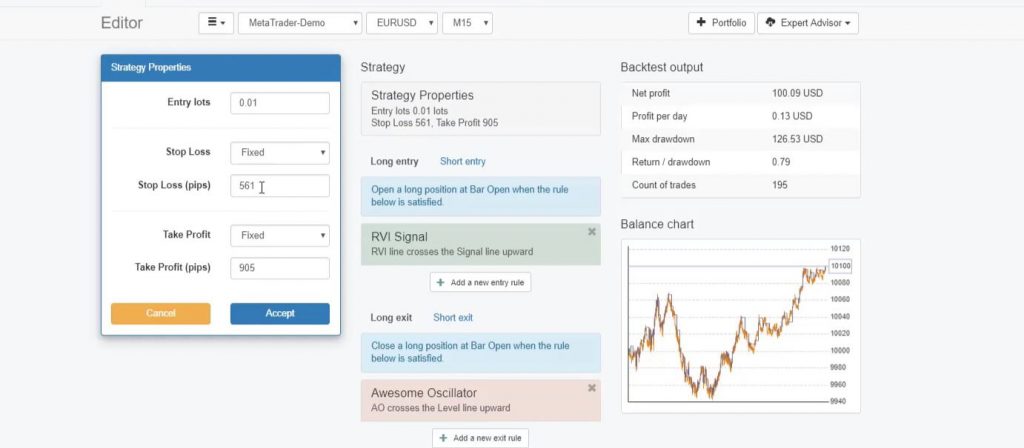
    Forex algorithmic trading EA Studio set up example

    Tools for Implementing Algorithms 

    Tools like Forex Strategy Builder Professional (FSB Pro) and Expert Advisor Studio (EA Studio) simplify this process. FSB Pro, for example, allows traders to customize entry and exit rules while supporting multi-timeframe analysis. On the other hand, EA Studio’s web-based interface is beginner-friendly and offers automated strategy generation. These tools make it easier to bridge the gap between strategy design and practical implementation.

    Automation in Action 

    Once deployed, these algorithms operate autonomously, continuously analyzing market conditions and executing trades based on predefined criteria. This automation ensures consistency and efficiency, enabling traders to capitalize on market opportunities with precision. For example, an algorithm might automatically adjust position sizes based on volatility, ensuring optimal risk management.

    If you are eager to explore the transformative power of algorithmic trading, why not kickstart your learning with the 21-Day Free Algo Trading Course? This hands-on program equips you with the knowledge to design, test, and implement your own trading strategies. Whether you’re a beginner or an experienced trader looking to refine your skills, this course is tailored for all levels. Enroll for free now and take control of your trading future!

    Or take a look at our collection of Forex Algorithmic Trading Courses that will teach you how to create Expert Advisors by yourself to find the one that suites you best. No programming skills or trading experience is required. Additionally, you will be able to download ready-to-use EAs from most of our algorithmic trading courses from the Academy.

    Benefits of Forex Algorithmic Trading 

    Speed and Efficiency 

    Algorithms can analyze vast datasets and execute trades in milliseconds, outperforming human reaction times. This speed is particularly advantageous in high-frequency trading scenarios, where fractions of a second can make a significant difference.

    Emotion-Free Trading 

    By adhering strictly to predefined rules, algorithms eliminate emotional decision-making. Fear and greed, which often lead to poor trading decisions, are completely removed from the equation.

    Backtesting Capabilities 

    Traders can test strategies on historical data to evaluate performance and refine parameters. Backtesting allows traders to identify weaknesses in their strategies and optimize them before deploying them in live markets.

    Scalability 

    Automated systems can manage multiple trading accounts and strategies simultaneously. This scalability enables traders to diversify their portfolios and reduce reliance on a single strategy or market condition.

    Practical Example 

    For instance, a trader using MACD-based strategies might test different timeframes and parameter combinations to optimize results, a task that would be arduous and error-prone manually. By leveraging automation, they can streamline the process and achieve more consistent outcomes.

    Common Algorithmic Trading Strategies 

    Trend-Following Strategies 

    These strategies aim to capitalize on sustained price movements. Algorithms identify trends using indicators like Moving Averages or Bollinger Bands and execute trades in the trend’s direction. For example, a trend-following algorithm might enter a long position when a currency pair’s price breaks above a key resistance level.

    Arbitrage Opportunities 

    Arbitrage strategies exploit price discrepancies across markets or instruments. For instance, an algorithm might buy a currency pair on one exchange and sell it on another where the price is slightly higher, generating risk-free profits. These opportunities are typically short-lived, requiring high-speed execution.
    High-Frequency Trading (HFT) 

    HFT involves executing thousands of trades within seconds to capitalize on minor price changes. This strategy requires advanced infrastructure and low-latency systems to ensure rapid order execution.

    News-Based Strategies 

    Algorithms monitor news feeds and execute trades based on economic announcements or geopolitical events, often responding faster than manual traders. For instance, an algorithm might initiate a sell order following a negative GDP report.

    Range Trading 

    Range trading, or mean reversion, involves identifying price ranges and executing buy orders at support levels and sell orders at resistance levels. These strategies are particularly effective in markets with low volatility.

    Challenges and Risks in Forex Algorithmic Trading 

    Over-Reliance on Technology 

    System failures or connectivity issues can disrupt trading, potentially leading to losses. For example, a sudden internet outage might prevent an algorithm from executing critical stop-loss orders.

    Over-Optimization 

    Excessive tweaking of parameters during backtesting can result in strategies that perform well on historical data but fail in live markets. This phenomenon, known as overfitting, is a common pitfall for novice traders.
    Market Volatility 

    Sudden market movements can lead to unexpected losses, especially if stop-loss mechanisms are not robust. Algorithms must be designed to adapt to changing market conditions to mitigate this risk.
    Risk Management 

    To address these challenges, traders should implement comprehensive risk management strategies. This includes setting realistic stop-loss levels, diversifying strategies, and regularly monitoring algorithm performance.

    Artificial Intelligence and Machine Learning 

    AI-driven algorithms are becoming increasingly popular for their ability to learn and adapt to changing market conditions. These systems analyze patterns in historical and real-time data to improve decision-making and enhance strategy performance.

    Cryptocurrency Integration 

    The rise of cryptocurrencies has opened new avenues for algorithmic trading. Tools like FSB Pro now support crypto trading strategies, enabling traders to diversify their portfolios and tap into the growing digital asset market.

    Social and Collaborative Trading 

    Platforms are incorporating social features, allowing traders to share strategies and collaborate on algorithm development. This trend fosters a sense of community and accelerates the learning curve for novice traders.

    How to Start Forex Algorithmic Trading: Practical Guide in 4 Basic Steps

    Step 1: Define Your Goals 

    Determine your trading objectives, risk tolerance, and preferred trading style (e.g., scalping, swing trading). Clear goals will guide your strategy development and tool selection.

    Step 2: Choose the Right Tools 

    Select a platform that aligns with your skill level. Beginners may prefer EA Studio for its simplicity, while advanced traders can leverage FSB Pro’s customization options.

    Step 3: Develop and Test Strategies 

    Use backtesting to evaluate your strategy’s performance on historical data. Adjust parameters to optimize results without overfitting. Robust testing ensures your strategy’s reliability in live markets.

    Step 4: Deploy and Monitor 

    Implement your algorithm on a demo account before transitioning to live trading. Continuously monitor performance and update strategies as needed. Regular evaluations help identify and rectify any issues promptly.

    We also recommend checking this video about How to Create Forex Trading Robot for FREE without any programming skills required.

    Top 5 FAQs on Forex Algorithmic Trading 

    1. “Should we avoid trading with the Expert Advisors from the  Forex Algorithmic trading strategies course at the end of the month, at the end of the year, or any other time?”

    We recommend to avoid trading during ending the year. The last two weeks of December and the first week of January. During this time there are huge transactions that happen on the market and they impact the Forex market.

    These are huge transactions between corporations, companies, and banks. Huge companies taking their profits, exchanging into their currency. We are talking about millions and billions here so any of these transactions, they impact the market.

    And it’s an expected move that comes which normally will cause you some losses. It could profit with the Expert Advisors but, we would say, there’s some uncertainty during this time. Also, many traders avoid trading during the last day of the month, so every last day of the month but we wouldn’t advocate for this. We would advise on keep it trading during last day of the month apart from December of course.

    So it’s up to you. With some Expert Advisors, we have concluded it is better to pause during the news, with some we see it’s great to trade all the time. But at fully algorithmic trading we aim at trading all the time, no pausing.

    2. “Can I trade in one $1000 account, 10 Experts Advisors with 0.01 lot?”

    We always suggest the students and the traders open live accounts after they have tested the same amount on a Demo account.

    So first, open the Demo account. If you are planning a $1000, open a Demo account with $1000. Test it with 0.01 for some time, see how much margin will be left in your account. Because it depends a lot on the leverage you are using.

    But in this case, no matter the leverage you’re using with 0.01 it should be fine to trade the 10 Experts Advisors (from the Top 10 GBPUSD Expert Advisors Forex Algorithmic Trading course)with $1000 of an account. But always what you’re planning for the live account, do the very same thing on the Demo, see how it’s going and you will decide for yourself. Is it enough, is it too risky, should you increase the lot or reduce it.

    3. ” For how much time should I trade the Expert Advisors from the Forex Algorithmic trading strategies course?”

    Now there is no precise answer to this question. We never know how much time the Expert Advisors will last on the market.

    Because it depends actually from the market. And this is why we update the Expert Advisors from time to time, like every 2 months or every 3 months. Simply at the end of the month, we check if the Experts Advisors are doing good during this month, if it was needed to make some change with any of the Expert Advisors, so they will be working better according to the recent 1 month and I simply add the historical data from the last month.

    And we improve the Expert Advisor. So we never know how much time one Expert Advisor will last. So we never know how much time one Expert Advisor will fit the market conditions. Sometimes it could be even for 6 months, but it doesn’t happen all the time.

    4. “Do you update the Forex Algorithmic trading course with new parameters for the Expert Advisors or with new Expert Advisors?”

    Particularly these top 10 GBPUSD in the Forex Algorithmic trading strategies course, we update with new parameters of the Expert Advisors. At the end of the month we check if it is needed or it’s not needed, and we do an update. But we don’t create new Expert Advisors in this course every month.

    Because these Expert Advisors are already trading quite a long time. We are just updating them, they work fine. We really don’t get any negative feedback for the Expert Advisors so far which is great.

    Because it’s not only us testing them, there are already hundreds and thousands of students testing them, which actually gives us a better idea of the Expert Advisors and so far we don’t see a reason to change them. Of course if one day we see such a reason, we will do our best to create new and even better Expert Advisors if possible.

    5. “What is the good money management with the Expert Advisors for these Forex algorithmic trading strategies?”

    Generally, we avoid suggesting trading capital, starting amount and the money management. Overall, we advise that you should not risk more than 2 to 5% from your account. And when we say 2 to 5%, this means that if you are trading these 10 Expert Advisors and you have, for example, some 200 or let’s say 300 pips as a Stop Loss. So you should look at the Stop Loss of all Expert Advisors, calculate it, sum it and see what is the maximum.

    In the worst-case scenario, you have the 10 Expert Advisors hitting the Stop Loss at the same time, or let’s say the same day, you should know how much is that risk at one moment.

    And this risk should be no more than 2 to 3% or maximum to 5%. So the sum of all Stop Losses in your trading account and this is not only with this course, but with any course, with any strategy with any system. You should always know what is the maximum Stop Loss that might happen to you.

    And especially if you are trading with a couple of Expert Advisors, you need to summarize it. And you will need to calculate with how much you should be trading in order to avoid losses bigger than 2 to 5 % from your account.

    Conclusion 

    Forex algorithmic trading offers unparalleled opportunities for traders to automate and optimize their strategies. By leveraging advanced tools and techniques, traders can achieve greater consistency, scalability, and efficiency. Whether you are a novice or an experienced trader, understanding the fundamentals and staying updated on emerging trends will ensure you remain competitive in this fast-evolving field.

  • Cryptocurrency Trading Guide

    Cryptocurrency Trading Guide

    If you had searched the phrase “cryptocurrency” on Google a few years ago, it would have pictured some currency. A currency that involves an underworld banking system where cloaked traders are sitting behind shady computers.

    We now read about it in the business parts of daily websites or financial newspapers. Also, on their front page of those same media. They devote their news spice to topics like Bitcoin, NFT or Metaverse in order to stay on-trend.

    Global authorities are scrambling to enact legislation and rules to have ease of conducting Initial Coin offerings (ICOs). Is the word “cryptocurrency” even correct? Should it be “digital currency” instead? What is “virtual currency”?

    So, the issue we must now ask is, do cryptocurrencies – whatever we name them – deserve this much attention? Should we be so concerned? What will the long-term impact of cryptocurrency be?

    Well again, what is it? We will see in this cryptocurrency trading guide!

    What is Cryptocurrency Trading?

    Before we get started with Bitcoin trading, let us understand trading. Trading is the economic notion of purchasing and selling assets. These assets can be exchangeable products and services between the trading parties. We are talking about the financial markets here, where traders exchange financial products. These can include equities, money, cryptocurrency, margin goods, and so forth.

    Cryptocurrencies trading entails purchasing and selling cryptocurrency through a crypto trading platform or exchange. Binance, Coinbase, CoinDCX, and others are the most prominent cryptocurrency trading platforms.

    The goal of cryptocurrency trading is to generate profits over a set period. Trading differs from investing, and in the next section, we will discuss its concept.

    What Is the Difference Between Investing and Trading?

    Investing is not the same as trading; trading involves making a profit in a short period but investing involves holding assets for the long term. 

    Investment

    When making any investment, we must look for long-term patterns and ignore short-term market swings. Let us understand it with an example of Bitcoin.

    The primary purpose of Bitcoin investment is to acquire additional coins. For instance, if you buy four Bitcoins at a given price, the total investment value of your asset eventually will rise in proportion to the coin price after a few years.

    Trade

    Trading, on the other hand, is concerned with short-term swings. Thus, it is critical to comprehend the daily market while trading.

    The significant purpose is to make money in dollars or other currencies. If you want to thrive in cryptocurrency trading, experts advocate understanding market patterns and short-term price movements.

    It is more like buying low and selling high, and then the trends swing in your favor. To maximize your profit in bitcoin trading, you will need to dump coins often.

    Crypto Trading Structure – How Trading Occurs With Cryptocurrency?

    When you start trading cryptocurrencies, keep in mind that you must comprehend market movements to avoid massive losses. Because the crypto market is volatile, it is always best to invest what you can afford to lose.

    In addition, if you are a beginner, you should analyze the elements that influence market patterns. For instance, as more individuals purchase a given item, the price generally rises. In contrast, when consumers sell more than they acquire, the price falls.

    How Many Cryptocurrencies Exist? How Much Are They Worth?

    CoinMarketCap.com, a market research website, stated that over 15,000 distinct cryptocurrencies are openly on trade (on the rise) these days.

    On December 10, 2021, the total worth of all cryptocurrencies was 2.3 trillion, down from an all-time high of more than $2.9 trillion a few weeks earlier.

    Among them, they estimated the overall value of Bitcoins (the most prominent online currency) at $932.4 billion.

    Cryptocurrency Trading Steps – How To Buy And Sell Cryptocurrency?

    Step 1: Open an account with a cryptocurrency brokerages

    Unless you already have cryptocurrencies, you will need to open an account with a cryptocurrency exchange or a broker.

    Gemini, Coinbase, and eToro are among the top cryptocurrency brokerages available. All three of these choices have a simple user interface that shows a wide range of cryptocurrencies. You can pick a broker or exchange of your choice and commence over it.

    Once you choose the one, dive into opening an account. Provide crypto brokerage with the basic information required to sign-up for an account. This information may include, but is not limited to:

    1. Email Address
    2. Date of birth
    3. Your Address
    4. Social Security number

    After you have registered with a cryptocurrency brokerage, you will need to link your bank account. Most cryptocurrency brokerages accept bank financing via debit cards and wire transfers. Wire transfers are often the cheapest way to fill your registered account – and they are cost-free on Coinbase and Gemini.

    For our readers, who are not familiar with wire transfers, here is a thing! Wire transfer (bank or credit transfer) is a method of electronic funds transfer from one person or entity to another.

    Step 3: Select A Cryptocurrency To Invest In

    Most active cryptocurrency traders widely believed of their money into Bitcoin and Ethereum. Because these cryptocurrencies move, more predictably than other newly born altcoins. Also, their trading utilizes technical indicators in uncomplicated ways.

    Some technical trading indicators with their formulae include:

    Relative Strength Index (RSI)RSI = 100 – 100 / (1 + RS)RS = Average of periods which close up in price / Average of periods which go down in price Generally, the number of periods used is 14, but it is entirely up to the trader how many to use.
    Moving Average Convergence Divergence (MACD)26 period EMA – 12 period EMA at closing prices Where EMA is Exponential Moving Average
    Bollinger Bands  Middle Band – Simple Moving Average over 20 days (SMA)
    Upper Band – SMA over 20 days + (Standard deviation of price over 20 days x 2)
    Lower Band – SMA over 20 days – (Standard deviation of price over 20 days x 2)
    On Balance Volume (OBV)  If an asset’s price closes up: The volume for that day + OBV’s total
    If the price goes down: The volume of a day – total OBV’s
    If the price remains the same: Zero calculations

    Many cryptocurrency traders invest a portion of their wealth in lesser cryptocurrencies. Although small and mid-cap cryptos are riskier than large-cap cryptos, they have increased upside potential. Many minor cryptocurrencies have grown more than 1,000% in a couple of months, making them appealing options for risk-averse investors. In the end, the choice is all yours.

    Step 4: Select a Strategy

    Choosing a trading strategy is a crucial stage in crypto trading. As a result, you may earn gigantic returns in cryptocurrency trading by combining trading indicators with proper fundamental and technical research.

    The following are some of the most common crypto trading tips:

    1. Day Trading

    As the name suggests, Day Trading is a fast-paced strategy that capitalizes on single-day trading on short-term price swings.

    Short terms fluctuations cause a high risk of loss associated with attempting to time the market. Therefore, this approach is not good for every trader.

    • Hedging

    Hedging occurs when one investment cancels out some or all of the risk of loss with another. Traders employed this method to avoid volatility fluctuations while holding the coins.

    Cryptocurrencies can be hedged using financial products such as contracts for differences or futures. These allow you to wager on the future value of the currencies.

    If you are an expert in this approach, you are good to go; otherwise, risks are your fate.

    • Scalping

    Scalping is a short-term trading approach often known as a quick moneymaker.

    Professional cryptocurrency traders retain the coins for a few minutes or seconds in this form of transaction to profit from little price swings. However, the profit is not as large as in other trading systems. The goal of scalping is to make modest profits that accrue during the day.

    The best moment to execute the trade is when the market is highly active since this increases the chances of more returns.

    • Trading Positions

    In this trading technique, you must concentrate on long-term price fluctuations. Primary price fluctuations are taken into account by trading specialists to maximize profit.

    Position trading is also known as “trend trading” since traders prefer to maintain positions for prolonged periods. In addition, monitoring weekly and monthly price charts will help you evaluate market patterns.

    Traders that use this trading approach do not concern with modest price swings. In reality, they are solely concerned with the trending market movements and react appropriately.

    Hence, depending on your needs and availability, you may select any Bitcoin trading tactics.

    Step 5: Keep Your Cryptocurrency Safe.

    If you are willing to trade your coins actively, you will need to keep your money on the exchange to access them. If you intend to keep your bitcoin for the medium to long term, you should purchase a cryptocurrency wallet.

    There are two types of cryptocurrency wallets: software wallets and hardware wallets – both are secure.

    • A hardware wallet (Offline storage) is a cryptocurrency wallet that holds the user’s private keys (important information necessary to approve outbound transactions on the blockchain network) in a secure hardware device. The hardware wallets from Ledger are device-based, which means they employ storage mechanisms (such as USB drives) to hold private keys, making it harder for hackers to obtain the key from an internet location. Ledger has two hardware wallets available: the Ledger Nano X & the Ledger Nano S.
    • Software wallets are best for quick transactions or trade cryptocurrency. Some accessible wallets for iOS, Google Chrome, and Android include Exodus Bitcoin, Crypto.com, or Crypto Wallet.

    Five Common Crypto Mistakes to Avoid

    Crypto mistakes are shockingly widespread, and we have listed a few of them here.

    1.    Making Purchases Only Because the Price Is Low

    Low prices are not necessarily indicative of a good deal. Prices are sometimes cheap for a reason! Keep an eye out for coins with declining user rates.

    Frequently, developers abandon a project, and it stops updates, rendering the coin vulnerable.

    2.    Falling for Scams

    • Cloud multiplier swindles. Fraudsters may approach victims through email or text message with an “investment offer.” They claim to reward investors twice or treble the amount they put into bitcoin if they transmit it to a certain digital wallet. Never go with free money offers.
    • Spoofing. Criminals may inflate or deflate the price of relatively tiny or unknown cryptocurrencies by issuing bogus buy or sell orders, sending the currency’s value rising by hundreds of percent at a time. They can inflate the price by advertising it on social media and then selling it at a higher price on cryptocurrency exchanges. They then vanish. The same is true for malicious wallet software.
    • Fake Coins. With so many cryptocurrencies on the market, it is difficult to identify the genuine ones & fake ones. When you buy in counterfeit coins, thieves can take your identity and, in many cases, your hard-earned money. Do not accept anyone’s word for it; instead, conduct your own study using as many credible sources as possible.

    3.    Going “All-In”

    Some of the most dubious trading sites advise you to make the most of your money by betting as much as possible. This is a brief way to the poor house.

    Better crypto investment advice would be to limit your investment money to a particular percentage — say, 4% — and always retain an emergency cash reserve that is never involved in the market.

    4.    Thinking Of Cryptocurrency as Easy Money

    Making money by trading any financial instrument, whether equities, commodities like gold and silver or cryptocurrencies, is not simple.

    Anyone who claims otherwise is most likely attempting to dupe you into making crypto blunders.

    5.    Forgetting About Your Crypto Key

    If you use a hardware wallet to store your cryptocurrency offline, missing your key is akin to losing the keys to a bank vault.

    All of your cryptos will be lost if you lose your key.

    Conclusion

    In this cryptocurrency trading guide, we discussed the basics of cryptocurrency trading and its structure, along with some strategies. Besides them, we also covered some steps that are simple and easy to follow when it comes to trading cryptocurrencies. If you want to learn more about trading with cryptocurrencies, you can sign up for one of our crypto courses.

  • How to Upload 10000 NFTs to OpenSea

    How to Upload 10000 NFTs to OpenSea

    Uploading an NFT to OpenSea or any other NFT marketplace is easy. A few simple steps and your NFT is out there ready waiting for the people to buy it. But what if you actually create 10000 NFTs, it will take you some time to upload it on OpenSea?

    Probably you have seen many of the videos available out there on YouTube where they show one and the same thing, how to capture the movement of the mouse, record it, synchronize it, make it faster and it clicks where you click the first time.

    I was watching those videos for quite a long time and I was opening the next one hoping for a better solution and then I looked for the next one for a better solution and then I clicked on the third, fourth, fifth, all the same thing. How those YouTubers are recording the same thing that someone already recorded and they’re just repeating it. I have mentioned that this is one of the solutions in the very first lecture of these NFT series where I have described the whole process of how to build up the idea, design, create and generate and upload the NFTs to OpenSea and I mentioned that method as one of the simplest solutions out there but I wasn’t happy with that.

    So I’ve spent a lot of time, I honestly don’t know how much time I have spent on that, and I asked one of my best friends to help me out, so I’m super thankful to him and he came up with a solution that is fully automated. No recording of the mouse movement, it’s ready to use code. I don’t know from where he came up with it but I’m super happy to share that method with you because it is really unique. I’m super excited to show you how to upload 10000 NFT items to OpenSea automatically.

    Installing the NFT upload application

    Now I’ll show you how to upload 10000NFTs to OpenSea and put them into a collection. For this purpose, I will download a project from GitHub which is open-source, everyone can access it, the code is written on Python, and by using it we will automatically upload the NFTs on OpenSea.

    So far this is probably the smartest solution so you won’t need to record the movement of the mouse and wonder if you did something wrong or not and you won’t need to copy the titles from an Excel sheet. You will see it it’s super easy – a few things to be done, one button to click and you will see how the NFTs are being uploaded one by one. Here is the link to the repository code on GitHub. Once you click on it, go to Code and click on Download ZIP.

    Getting the NFT upload code from GitHub
    Getting the NFT upload code from GitHub

    It is ready to use code so we won’t do any programming but you will need Python and Chrome browser, so if you don’t have one just write in Google ‘Python download’ and click on the first link you see and download it accordingly to your operating system and once the code is downloaded you need to unzip it.

    Then I will just right-click on the downloaded zip folder and click on Extract All. This will extract it and once I have the extracted folder I will open it on the command prompt. After that, we need to execute all the commands from the repository.

    Running the commands from the GitHub repository
    Running the commands from the GitHub repository

    So just copy-paste them in the command prompt. This way, you will be sure that you won’t make any mistakes and you won’t have any errors. Just hit on enter and all the dependencies will be installed and then you will need to run the script, this is by copy-pasting ‘python openseaupload.py‘ in the console. So again go to the repository copy it, open the command prompt, paste it hit on enter. This is the program that you will be using to upload 10000 NFTs on OpenSea and it’s super easy actually to do it.

    The NFT upload program
    The NFT upload program

    Configuring the NFT upload

    First you need to paste the OpenSea Collection Link. This is the link to the collection. Then you have the Start Number and the End Number or if you have from 1 to 10000 with our example. You need to write down one and then in the end number select 10000. It really depends on how many NFTs you have to upload. Then you have the Price, the Title, the Description, the NFT Image Format, we have the External Link and below we have the option to choose if we want to upload the NFTs to the Polygon Blockchain or not. So if you select to check that, it means they will be uploaded and created on the Polygon Blockchain.

    Below we have the option to add the NFT upload folder or to select the path to where the NFTs are located and we have the buttons to run the program. One thing to mention that is quite important in order for the program to run successfully is the NFT images that we have in the build folder must be numbered from 1 to whatever number you have. In my case it is from 1 to 10000 because this is how many NFTs I have generated.

    Connecting to a MetaMask wallet

    Now going back to the NFT upload program. First thing to do is click on the ‘Open Chrome Browser’ button and once it opens the browser you will need to connect it to MetaMask wallet. If you haven’t done that I will show it very quickly.

    I will add the ‘MetaMask for Google Chrome’ extension to the browser and import the wallet. Once you are logged into your MetaMask wallet, open the website opensea.io and then just connect the wallet. I will click on profile and I will select MetaMask, after that I will click on Next and I will click on Connect.

    Connecting OpenSea account with MetaMask wallet
    Connecting OpenSea account with MetaMask wallet

    Once it is connected I will be into my profile page. You will see the NFTs that I have so far.

    So now I will go to my collections and I will create a collection for a logo image. I will select any of the images that I have for the NFTs upload, I will leave empty just the name of the collection, I will write down ShibaToons and you will actually notice that a lot of names are already taken so you have to find a free one. As a Blockchain I will select Polygon and I will hit on Create so the collection is created.

    creating the nft collection for the upload
    Creating the 10000 NFTs collection

    After that, I will open the program and the first thing I need to paste is the link to the NFT collection. So just copy the link to the collection I just created I will paste it.

    get the link to the nft collection
    Copy-paste the NFT collection link

    Then as a Start Number and End Number I already explained that for me it will be from 1 to 10000. The minimum Price at the current moment for OpenSea is $2 or that is around 0.00045 of Etherium. The title is ShibaToon and number. So once it starts to create the NFTs the first one will be with the title ShibaToon number 1 and the second one will be ShibaToon number 2 and so on until the last NFT ShinaToon number 10000.

    Then we have the Description, I will write down ‘ShibaToons collection’ and then for NFT Image Format, it really depends on what your format is, but if you’re not sure you can go over the image click on properties and you will see the type of file. In my case, it is .png so I’ll just type ‘png’.

    Then we have the External Link. Here you can to place the project website where you have the roadmap and everything about the NFT itself but in my case, I will drop a link to my NFT course because I want everyone who buys an NFT from my collection to see the course if they want to learn more about the NFTs. For Polygon Blockchain, I can leave this setting unchecked because when I was creating the collection on OpenSea, I selected the Polygon Blockchain by default. So all the NFTs will be created on the Polygon Blockchain.

    The last thing is to select the folder where are all the 10000 images. I will click on the Select folder and pretty much that’s it.

    The 10000 NFTs upload settings
    Upload settings for the 10000 NFTs

    So now let’s start creating those NFTs and the only thing you have to do is to hit the green Start button. It is simple as that and you will see the first NFT being created. It all happens automatically. I’m not moving my mouse. You can see that the external link is written the description.

    The first NFT is uploaded automatically
    The first NFT is uploaded automatically

    Obviously it will take some time for the site to load the image or to complete the listing and to click on the sign message as well to connect to the MetaMask wallet and to sign it. So all of that happens automatically and here it is the first NFT was listed.

    The script connects automatically to the MetaMask wallet
    The script connects automatically to the MetaMask wallet

    Then it goes back, it clicks automatically to the bottom of the item and then it uploads the second one. The name is Shiba Toon number 2, the external link to my NFT course, the description and it is about to create the second NFT ShibaToon number 2. It writes down the Price, everything happens automatically, it’s just awesome because it clicks automatically to all buttons, it uploads automatically the pics, it connects to the MetaMask wallet and as you can see my mouse is not moving.

    You will be easily uploading your 10000 NFTs on OpenSea without the effort to upload them one by one or to record the movement of your mouse. This took me such a long time to figure it out and it is worth sharing this method with you. I hope you will really find that useful because as I said so far this is the best solution I have found and actually I’ll be super happy if you guys share your thoughs in the comments bellow. This means a lot to me and spending my time looking for that method will be really worthwhile.

    The best thing I actually forgot to mention is that while the program creates all of these NFTs and uploads
    them automatically on OpenSea, I can use my computer. It will just run on the background doing its work.
    Obviously, it will take some time because we cannot make it faster as it takes some time for OpenSea
    website to load the pictures, to click the buttons, or to sign to MetaMask. You have to be patient and just enjoy watching how your NFTs are being created automatically now I will leave it recording for some time and I will show it quickly for the first 30, 40 for example.

    Thank you for reading this lecture. I hope you have found the NFT beginner series useful

  • How to Generate a 10000 NFT Collection

    How to Generate a 10000 NFT Collection

    Probably many of you already have seen those 10000 NFT collections on OpenSea on any other platform and you wonder how the hell these guys have designed or generated 10000 unique NFT items. Well, actually it’s not that complicated because it is automated generation.

    Now if you’re brand new to the NFTs you should know that this is unique digital art. We can say it’s just a JPEG over the internet that is sold as a token. It’s on the Blockchain and it has a collectible value. So if you are a fan of any artist or any piece of art over the internet you will see that most probably this is an NFT and you should pay some Ethereum or with some platforms, we can pay straight away with our cards.

    However in this lecture, I will focus on generating unique 10000 NFTs and in one of the previous lectures, I have explained in detail how I made 10000 NFTs that are already on OpenSea for educational purposes and demonstrational purposes. If you want to buy any of those NFTs to support my work I’ll be super happy to see that. Who knows, one day if my channel is huge those NFTs could be really valuable.

    10000 Shiba Inu NFT collection on OpenSea
    My 10000 NFT collection on OpenSea

    How to generate unique 10000 NFT arts

    So now I will show you without programming how you can generate unique 10000 NFTs and in the previous lecture, I have shown how I designed those 10000 NFTs. I have explained that this is by creating different and unique layers such as the background, the body, the hat, the glasses, and the mouth. It is super easy by the way with any program. Some use My Paint, others that are more familiar with Photoshop go into details or some are painting them by hand. I used Canva because I feel super comfortable using this software usually for my YouTube thumbnails.

    However, I have the ready unique layers and now I will show you how to generate and create those 10000 NFTs fully automatically with ready-to-use code, so if you’re ready I am let’s do it.

    Requirements to generate the 10000 NFTs

    Now I will show you how to download the ready-to-use code so you can generate the 10000 images for your NFT collection. Follow this link to the HashLips repository on GitHub from where you can download the code. Once you click on the link go to the Code button, and select Download ZIP.

    The NFT generation code on GitHub
    The NFT generation code on GitHub

    To start the project you need to have Node.js installed on your computer. If you don’t have it, you can simply Google it and download it. Select the right installation file depending on the type of device you have. I’m using Windows so I will click on Windows Installer. Once it is downloaded there are a few easy steps to follow to install the software.

    The NFT generation code

    So now we have Node.js installed, I will try to run the project. First, I need to extract it or unzip it. It will take a second so these are all the files that the project has. In the ‘layers’ folder, we will drop all the layers that we have already created and in the ‘src’ folder you will find the source files with the logic for generating the NFTs.

    The NFT generation code files
    The NFT generation code files

    You can open those with any text editor that you have, for example, I’ll be using Notepad++ but you can use really any editor that comes to your mind. In the first lecture of this kind, I said that you need the Visual Studio Code but then I figured out that you can edit the generation code with any text editor.

    So I will just open it and in the config.js I will be adding the layers but with an exact latersOrder sequence. Here we can choose the format that we want for each NFT then we have the rarity if we will be using any values and as well we have the defaultEdition which is the total number of NFTs that will be generated.

    The NFT generation configuration file
    The config.js file

    The next folder is the main.js where is the logic of the project. There we have the build folder or this is the directory for the generated NFTs, and there is the logic for duplication or in other words in the file there is a code that is responsible for preventing the generation of images with the very same layers. Actually, if you see a log in the console with this text, it means that such a duplicated image was found and it will be skipped and a new image will be generated with a different combination of layers.

    Then we have the index.js which is the entry point of the application and inside we put together all the functions that I already described and by starting this index.js we are actually running the application.

    Preparing the NFT layers

    Alright, so now I will add the layers that I created and I will start the NFT generation application. I’ll go to the folder where I have the actual layers and I will paste them in this folder called ‘layers’. I’ll just copy-paste them.

    We have some folders inside that I won’t need so I’ll just delete them. I will change the view so I can see exactly the layers and I will create a new folder called ‘background’ and inside I will drop all the layers with the background. Then I will change the names of these layers to be consecutive numbers starting from 1.

    the layers folder holds the NFT collection structure
    The ‘layers’ folder contains the NFT collection structure

    Now I’ll go back and I will create a new folder. This will be the folder for the body or the Shiba Inu puppy and I will just select all the body layers. I will again cut them and I will paste them into the folder. I will just change the names, so the first one will be 1, the second one will be 2, and so on until the last one.

    Then I will go back and create a new folder that will be for the glasses for example. So I’ll just name it glasses, here it is and I will select all glasses layers, I will cut them and I will drop them in the folder.

    I guess you already understand what I’m doing, I’m just placing all the layers in the appropriate folders and as well I’m changing the names to be consecutive numbers which will be easier after that for our work. So I have two more folders to create, one for the hat and the other one for the mouth. I’m sure you got the point so let me do that super quickly and when you do it one time you will see that it is really nothing complicated and once I have the 5 folders, I will go back to the folder ‘src’.

    Setting up the project configuration

    So now I will right-click on config.js. I will open it with Notepad ++ and here I will need to check how many layers I have for the background. So I’ll go to the background layers folder where I have 10. So I will enter 10 and continue with the next layer folder.

    In our case it is Shiba-Inu, this is how I called the folder itself so I will write it down Shiba-Inu and I will go back to see how many layers are inside, and then I will enter the glasses and as well a number. Then we have the hat or this is the layer called hat this is the name of the folder. Inside I have 10 different hat layers. I will put it as a number 10 and then I will have the mouth which is our 5th layer and inside I have actually 11 layers. So this is what you need to do.

    By the way, you can have as many layers as you wish. If you want to add one just copy-paste it on the next line and change the name and the number. Below we have the format now I will select the maximum for the moment which is 3000×3000, so I will have a good quality for the NFTs. As well we have the final number, in this case, I want to have 10000 NFTs generated and just above the defaultEdition we have the rarity which obviously is very important when it comes to NFTs.

    NFT geneartor settings
    The NFT generator settings

    So you can select here if you want your NFTs to be not that rare, you can leave it to original or you won’t be leaving anything after the name of the NFT if you want it to be rare you need to add _r and if you want to have it like super rare it is _sr. So for example,
    if I want to have the mouth to be super rare I will just name it 11_sr and if I want to have any of the layers to be rare I will just rename it, for example, 8_r.

    Making layer to be rare in the NFT collection
    Making layer to be rare in the NFT collection

    Now we need to start the application from the Node.js command prompt that we installed earlier. Once it opens we need to paste the path to the directory where we have the index.js. I will copy it and then I will write ‘cd’ space and Control+V just hit on enter and now we are in the directory where we have the index.js.

    Running a command in the Node.js command prompt
    Running a command in the Node.js command prompt

    Now I will need to type ‘node index.js’ and I have an error. So what did I miss? First, we need to write ‘npm install’ and hit on enter. So now we will install all the libraries in the package.json file and you can check what’s inside if you want but actually the most important is the one at the end, Canvas 2.8.0, which is the function for putting the layers one over another.

    Installing the Node.js dependencies
    Installing the Node.js dependencies

    So we have the npm installation already and now I’ll just write ‘node index.js’, I will hit on enter and I have an error again. Let’s see what I have missed this time. It says right over here that I have an error in the Shaba-Ino layer’s name. So I’ll just go to the layers and there I have written Shina. It should be Shiba. Then in the config file, I will change to Shiba Inu. I am showing those errors in case it happens to you so you know what to do.

    errors in the Node.js console
    Understanding the errors in the Node.js console

    Then I will write ‘node index.js’ and this will start the creation of the NFT. Now I will go back to the folder called ‘build’ and in real-time you can see how the NFTs are being generated.

    Generating the 10000 unique NFTs in real time
    Generating the 10000 unique NFTs in real-time

    So first comes the background, then the body then comes the glasses, the hat, and the mouth and this will repeat again and again until the 10000 NFT are generated and they all will be different. They all will be unique which means that some of them will have similar or same backgrounds like what you see with 6 and 8 or with 7 and 9. Or you will notice some with the same body or hat or glasses but they all will be unique.

    They will be generated automatically and obviously, it will take some time, you can see the speed in the command prompt, and actually, if you want to pause it at any moment for any reason all you need to do is to click with your mouse over the command prompt anywhere so this will select something in the command prompt and you can see it says ‘Select Node.js command prompt’ or you just selected something and it paused.

    Pausing the NFT generation process
    Pausing the NFT generation process

    If you want to continue, hit on escape button on your keyboard and it will continue the NFT generation process.

    So it is this simple to generate the 10000 NFTs. It’s another story uploading them on OpenSea but I will leave that for the next lecture where I will show you a super unique method of uploading 10000 NFTs on OpenSea. If you have searched that over YouTube you will see the method where we are recording the movement of the mouse, I really didn’t like that method. Even I have mentioned it as a solution in one of my previous lectures when I watched my lecture after that I said no way.

    So I asked one of my best friends who is a great developer to find a solution. I don’t know what he did but he found the solution and in the next lecture, I will show you how that works. Thank you guys for reading and I will see you soon.

  • How to Create 10000 NFTs Collection

    How to Create 10000 NFTs Collection

    In today’s lecture, I will share with you how to design and create 10000 NFTs with any program that you are comfortable with.

    Recently I recorded a video where I shared the whole process, how to build up the idea of 10000 NFTs, how to design them, how to generate them with a ready-to-use code and how to upload on a platform like OpenSea.

    I’m super happy that this video was useful, a lot of interest, a lot of likes, thank you for that. I promised that I will share in separate videos each of the steps so today I will share with you guys how I designed 10000 NFTs that are already on OpenSea.

    I created this collection for educational and demonstrational purposes and of course for entertainment because the NFTs are so cool and you can really enjoy them when you are doing it.

    And in the following lectures, I will share with you how to generate 10000 NFTs and as well how to upload them on OpenSea but with a super cool solution. Not the one you may have already seen on YouTube where we record the movement of the mouse. I’m not happy with that method so I found a really great solution but that I will show it in the following lectures.

    How to design 10000 NFTs

    Now if you’re ready I will show you how to design 10000 NFTs. The 10000 NFTs that I have designed and generated and uploaded to OpenSea use this really really simple design that is suitable even if you are a complete beginner. I have selected the Shiba Inu puppy which is super popular nowadays in the crypto space because many became millionaires but others missed the chance.

    The 10000 NFT tokens that Petko created
    The 10000 NFTs that I have designed

    So one thing I’ve mentioned in the previous lecture and probably already know is that such NFTs as the Bored Ape Yacht Club or the Crypto Punks or many that you see in the rankings on OpenSea are built by layers. Usually, you will find 10000 unique NFTs but they are quite similar because of the layers.

    You can see that with the Bored Ape Yacht Club. We have the body which in this case is the head of the monkey. Then we have the mouth – smiling, sad, showing teeth. Right there we have a smiling ape but you will see that we have these different impressions because we have different layers and by creating different layers and generating combinations between them we are actually getting those 10000 NFTs.

    The Bored Ape Yacht Club NTFs on OpenSea
    The Bored Ape Yacht Club NTF

    I’m sure there are some artists that are drawing all of them but this obviously will take a huge amount of time and I personally don’t find it reasonable when we can do it automatically.

    How to create the 10000 NFTs

    You can use any program you want to design the NFTs. I have spent a few hours going from the basic My Paint to the more advanced Photoshop and in the end, I’ve decided to use Canva because I am familiar with it as I create my thumbnails for the YouTube videos and there are some ready stock images and elements that I’ll be using when creating my NFTs.

    The background layer

    So the first layer I have created is the background and you can use your imagination here to put any color or combine different colors. For example, I selected to use two different colors and I use different combinations to make them in contrast or two colors to match each other so it will just look nice. Usually, I create 10 different layers for the background and for the other elements.

    Creating the background layer for our NFT
    Creating the background layer for the NFT

    The body layer

    The second element I have created is the body of the Shiba Inu puppy. This will be the main object or figure for our 10000 NFTs. It depends what your NFTs are about but in my case, it was a puppy because the Shiba Inu dog is quite popular and I found it interesting and relevant to the current crypto conditions to create such an NFT collection.

    I have selected similar bodies but they are all different with different positions of the hands, the legs as well some of them hold envelope or balloon, could be anything as long as you download these layers with a transparent background, this is very important because after that you will place them one over another and they should be transparent.

    Creating the body of the NFT art
    Creating the body of the NFT

    The hat layer

    The third layer I created was the hat and probably it would have been a good idea if I had a few hats to change right now but you will see how the NFTs look like so I have used around 10 different hat combinations. Always make sure they fit well to the body that you have selected and then all you need to do is remove the body and leave just the hat, download it as a transparent picture and it’s a ready layer.

    Creating the hat layer of the NFT
    Creating the hat layer for the 10000 NFTs

    The mouth layer

    The fourth element I selected to use is the mouth and the mouth gives you probably the biggest impression. It could be a smile, it could be sad, it could be just showing teeth, it could be a mouth with a cigarette. It could be anything that comes to your mind or what you can find over the internet or if you are actually designing and painting them by yourself that’s even better so they will be really really unique and remember that with the NFT the more unique and rare they are the more precious they will be for your audience.

    Creating the mouth layer for our NFT design
    Creating the mouth layer for our NFT design

    The glasses layer

    The fifth layer that I have created is the glasses and again I have selected different glasses. I made sure they fit the body. I have removed the body, downloaded it as a transparent background. Pretty much I have downloaded the body, I had the mouth, the glasses and the hat, NFTs, and pretty much this is about the design.

    Creating the glasses layer
    Creating the glasses layer

    This is all you need to do when it comes to designing. After that, we can actually generate the unique 10000 NFTs with a ready-to-use code or with a program software but without programming skills.

    And at the beginning, it might sound really complicated but it’s not and in the following lectures I will show you how to generate those NFTs using the layers that I have created, and then I will show you how I uploaded them on OpenSea super easily with a code again and not using any mouse recording software or stuff like that which I really didn’t enjoy when I found it first on YouTube.

    If you want to get into the details of creating 10000 NFTs make sure to check out our NFT course. Thank you very much for reading and make sure to drop your questions in the comments below.

  • How to Make & Sell 10000 NFTs

    How to Make & Sell 10000 NFTs

    In this lecture, I will create a brief overview of the 5 steps you need to take if you want to make 10000 unique NFTs and in the following lectures, I will show in detail each step. Every lecture will be dedicated to one step of the whole process but the idea in this lecture is for you to grab the whole concept of how to make and list 10000 NFTs or any number that you wish to create.

    No worries, no coding experience is needed, I’m not a developer but I have figured out how to get the ready-to-use code and to use it to generate my own collection of NFTs art.

    Why 10000 NFTs?

    It’s really cool to create and list thousands of NFTs because if you market them well, if you build a community and build the expectation for the minting day, you can make a really good amount of money and in one moment you can find your NFTs on the marketplace for an insane amount of money. For example, the floor price for my favorite Bored Ape Yacht Club NFTs now is 51.98 ETH which at the moment is above $204,000 as a value. Isn’t that insane?

    The Bored Ape Yacht Club price on OpenSea
    The Bored Ape Yacht Club price on OpenSea

    I would never spend that amount of money, but I really like those and if you look at them they’re not just funny but there is something common. What you can notice is that the background for some of those is the same.

    Some NFTs have the same background
    Some NFTs have the same background

    What you can notice as well is that their faces are similar so they have the so-called layers and to make such a collection with 10000 NFTs you are actually about to create layers. The first layer is the background, then you have the body, then you have the head and you can have a different mouth, different ears, eyes, nose, attributes in the mouth, you can have different hats, different dresses, or whatever comes to your mind.

    So the first important thing to notice is that those NFT collections are quite similar and they are built by placing a layer over a layer, over a layer, and by combining the different layers actually you are creating 10000 unique NFTs. You can make as many NFTs as you wish. So if you’re ready I will show you the steps you need to go through and you can have an idea about the whole process.

    I will drop links below so you can have an idea of what you need to download, from where you can get it, and by the end of the lecture, you will know if this is the right thing for you or not. And this will save you a few hundred dollars because this is how much you would pay for one collection if you hire someone from Fiverr for example. And actually, these guys are following the very same method, so what I want you to do is just sit back and see the whole process.

    Visualize your idea

    So the first important step is to come up with an idea that will be awesome and people will be willing to buy. You will be able to sell most of your NFTs just on the minting day and if you’re reading this lecture I guess you already have the idea. If you’re an artist probably you have a few ideas already and you’re just looking for a way to create thousands of NFTs so you won’t need to paint them one by one which obviously will be super time-consuming and you don’t want to spend that time.

    You already heard about a method where the artists are generating those NFTs within minutes and this is exactly what I will explain in a second and I will share what exactly you need but if you have no idea I will give you a few tips from where you can start.

    First, you need to decide if you are about to imitate an already existing NFT collection such as the CryptoPunks which could be considered as the beginning. They are the inspiration for the ERC-721 standard and if you look at the top collections on OpenSea you will see that most of the collections are with 10000 items. Of course, you can create more or less, it really doesn’t matter. So if you’re about to imitate an existing project think about how you can make it more interesting. What is missing with the project you want to improve, are you about to create some Metaverse or implement those NFTs into an NFT game which is one of the most popular and exciting niches nowadays in the NFT world or you will just make them funnier with more attributes.

    For example, the Bored Ape Yacht Club which I already mentioned has already an insane community and I think those monkeys got really popular because they have so many different impressions. Some of them are sad, others are bored, others are extremely funny and I think building some kind of impression on your 10000 NFTs is super important. Try to make them live so when people look into your NFT collection they will see feelings. They will see them sad, they will see them happy, they will see them frustrated, excited. Try to make them live so this will attract more buyers. But what’s really important before you do the next steps that I’m about to show is to visualize the whole thing into your head which will be super helpful and easier for you to prepare the collection.

    Like when I’m recording online courses or recording lectures I always visualize the whole process, the videos, how I’m about to structure them, what I’m about to say, where I’ll be shooting, which camera or microphone I’ll be using, how exactly I’m about to do it and I always make a plan before recording each video so it’s easier for me to follow the steps after that.

    Creating the NFTs

    Next, it’s very important to use a graphic program that you are comfortable with. For example Photoshop, but I know that Photoshop is a little bit complicated for most people unless you are an artist and you’re comfortable with that. Plus it is a paid product. One of the free programs you can use is My Paint which you can download and it is good enough if you want to create layers for NFTs.

    But if you’re just starting out and you want to make some NFTs, create the layers, and then follow the next steps that I will show you, you can use any program that you are familiar with. If you have some friends that are better in Photoshop or if you have a friend who is a graphic designer that would be even better. You can ask him to help you out, because if you have really a clear idea of what you want your NFT collection to look like, then it will be easier for you to explain it to someone who can help you out with the design because at the end of the day it’s important the NFTs look nice.

    For example, I like the Bored Ape Yacht Club NFTs because they’re all funny, they all have those emotions on their faces and I just find them entertaining. Of course, the prices nowadays are ridiculous and I’m pretty sure that in the very near future some ready solutions will be out there like websites or apps where we can upload the layers or we can create the layers inside and generate the whole thing, but for the moment these are the steps we need to follow.

    Prerequisites

    Now before you generate the NFTs, you will need to visit a few websites, download a few programs and let’s go straight to the point. So the first one is Node.js which will be familiar to you if you are a developer. If you know to code the whole thing will be easier for you but if you are not don’t worry, all you need to do is to download the appropriate file according to your computer and the specifications that you have. So it depends if you’re a Mac user, if you are using Windows just select the program that fits best to your machine.

    The next website you need to visit is GitHub from where you can download the ready code. There is a guy called HashLips or this is at least how he calls himself but he was open-minded enough to share the code with everyone so once you visit 
    the repository page you can download a zip version of the code. As well the guy has a small YouTube channel just like me where you can follow along with him and you can learn more about his work which I found useful because he’s actually sharing how he does that and he shared the ready-to-use code.

    And the third website I want you to visit is the website of Visual Studio Code which is a code editor. This way you will be able to access the code and actually generate the NFTs and once you install it you will be able to get to work and you will find out that it’s nothing really complicated.

    Generating the NFT collection

    Step number 4 is actually to generate the NFT collection using the ready code that we already downloaded and I will just show you how the code looks like. So I will select the folder that we have downloaded so you can see that on the first spot we have the layers with the background and then we have the ball, the bottom, the eye color.

    If I click on any of those you will see the actual layers displayed or it could be the top lid, high top, or lid eyeball, they are inside the code and you can see the whole thing in a code.

    So I know it looks really complicated and it was for me as well. I spent enormous time researching the whole process and looking into the code and learning how to do it by myself and I will dedicate a lecture about how to modify the code with super easy to use steps, but in this lecture I want you to grab the idea that we are using that ready code shared from the HashLips developer and we are implementing our NFT layers so we can generate the NFTs at the end of the day and we will be able to upload them to OpenSea.

    Uploading the collection

    There we go to the next step – how do we upload the NFTs. What you have to do is to list them on OpenSea for example and I would suggest you stick to Polygon Blockchain because there are no Gas fees involved. On the Ethereum Blockchain, there are Gas fees, this is where the action happens but if you’re doing it for the very first time and you’re just practicing and you want to learn the whole concept you can just practice on the Polygon Blockchain because it’s free and there are no Gas fees involved.

    So obviously it’s a lot of work to upload 10000 or more NFTs one by one. Of course, it is not impossible but it will take you a long time. So one of the solutions I found is to use a program called Mini Mouse Macro which remembers and records your mouse movements which means that if you upload one NFT and follow all the steps from Add item to uploading the NFT and then giving it a name, a link, description, you can record the exact movement of the mouse and then repeat it, again and again, using an Excel sheet which will help you with all the names and it will be super easy for you this way to repeat the same process again and again.

    So basically you will need to do some work on an Excel sheet and have your 10000 NFTs collection listed with the different names and then start from the first NFT, upload it step by step but while you are doing it you record your mouse movement, exactly where you clicked with this Mini Mouse Macro program, which will repeat the same thing, taking the next number with the next name and clicking exactly on ‘Add an item’, uploading the next picture and then giving the name, copying it from Excel to the OpenSea and so on. Basically, the program will do the whole thing for you and you will need to upload just one NFT after that it will do the whole thing by itself. This is so far one of the easiest solutions that I have found and if you have any other ideas I’ll be super happy if you drop them in the comments below so the lecture will be useful for everyone reading it.

    Conclusion

    I will explain each of those steps that I described in detail so you can learn more about the code itself, how you can modify it even if you are not a developer, or how you can build the layers on Photoshop or on My Paint where it is much easier if you are a beginner and not a designer. As well I’ll be giving you more tips and ideas on how to make a unique and fantastic 10000 NFTs collection that you can market very well.

    So if you like the idea of creating 10000 NFTs let’s go to the next lecture and I will show it all step by step. So if you like the idea of creating and listing 10000 NFTs. I really hope that you have found this lecture useful if you did please support it with a comment below. I’ll do my best to prepare in the upcoming days the lectures for each step so I’ll bring you more details about each one.